Posts Tagged ‘Fiona Vella’
-
A MATTER OF FATE
For British diplomat John Hookham Frere, January became a month of sorrows….
 Some say that bad luck isn’t real and that there is no such thing as luck. Yet others would strongly avoid walking under a ladder or crossing the street in the presence of a black cat. They will certainly not open an umbrella indoors or drink any water that reflects moonlight, in the fear of attracting misfortune. Still, there are those who insist that whether you see it as lucky or unlucky, the chance event is the same. But is it?
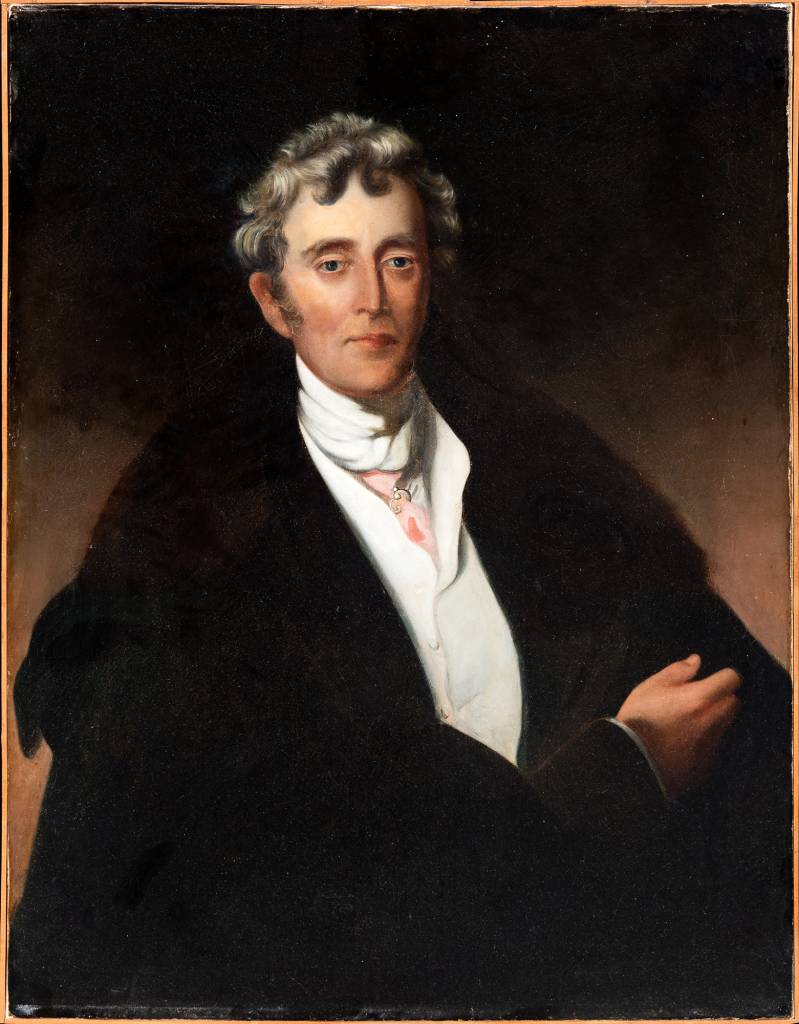
John Hookham Frere, a British diplomat, poet, scholar and philanthropist, is not known to have spoken of bad luck. However, when years went by and he started to suffer the loss of his loved ones all during the same month, he lamented that January was becoming too melancholic for him.
Rumours say that his mother Jane, daughter of John Hookham (senior) who was a rich London merchant, had brought an astrologer’s silver cup as part of her marriage dowry. This cup originally belonged to her great uncle, John Dee, who was believed to be a conjurer. Legend said that he had used the cup to make some supernatural experiments but she insisted that this was not true. In defiance, she used the cup as a sugar bason.
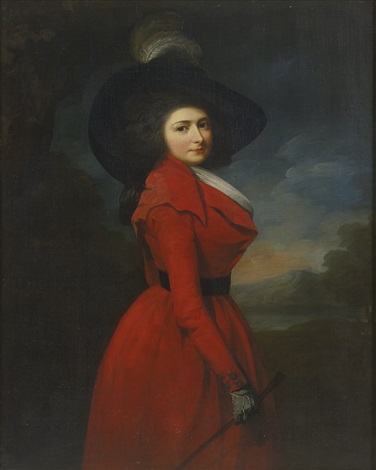
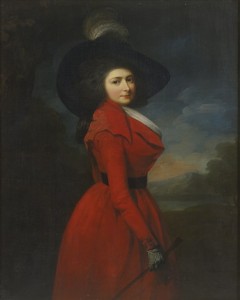 Curiously, the ‘January calamity’ had already struck the woman that Frere would eventually marry – Elizabeth Jemima Blake. A portrait painted by Sir Martin Shee shows her as a very beautiful girl with large dark eyes and masses of dark hair. In January 1790, she married George, sixteenth Earl of Erroll, who committed suicide in June 1798 after he confided an official secret to a friend who then published the communication and its author.
The childless and beautiful widow met Frere in the year 1800 when she was recommended to stay in Lisbon to alleviate her mourning sorrows. At the time, Lisbon was a favourite health resort and Frere, who had just been appointed Envoy to the Court of Lisbon, was requested by a common friend to take care of her. Soon, the two became very good friends and along the years, they kept in contact through letters. Eventually, they got married on the 12th September 1816.
Lady Erroll never regained her health completely and this was a constant source of anxiety to her husband. A severe cold which she got while visiting the new rooms that were built at the British Museum for the Elgin marbles, wrought permanent damage to her constitution. A serious illness in 1820 obliged Frere to take her abroad and although she recovered some strength while travelling in the Mediterranean, it was clear that she would not survive the cold English climate.
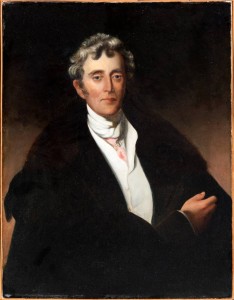 Since Frere preferred to live among English subjects, he chose to move to Malta. His sister Susanna, who had never married and who offered to help him to take care of his wife, joined them too. Initially, they resided in Casa Correa, a palatial building in Old Bakery Street, Valletta. Later on, they moved to Pietá, where they acquired two adjoined buildings, so that Susanna could live close by. This house on the waterfront helped Elizabeth to recover to better health and Frere began to show interest in the Maltese Islands which were so rich in history.
Frere was very proficient in languages, namely Greek, Latin, Italian, French and Spanish. In Malta, he extended his knowledge in the Maltese and Hebraic languages. His ample library filled with prestigious and rare books became renowned with scholars, some of whom came to visit from abroad. At this time, he met Mikiel Anton Vassalli, a Maltese writer, linguist and philosopher.
Vassalli was expelled from Malta a number of times due to his political beliefs. His troubled life led to much difficulties and Frere helped to alleviate some of his problems. He financed the education of his three sons, supported him to publish his books and helped him to start teaching at the University of Malta as the first Professor of Maltese language. Frere’s remarkable kindness persisted even after Vassalli’s death, on 12th January 1829, when he took the responsibility of his burial in the then Protestant cemetery of the Msida Bastion, after the Catholic Church refused to do so due to his alliance with the Protestants.
Almost two years later, Frere had to return to these burial grounds again, this time to bury his wife when she passed away on 17th January 1831. His wife’s loss overwhelmed him with grief but he refused to return to England even though his relatives and friends advised him to do so. Eventually, he decided to acquire the steep hill behind his house in Pietá, turning the landscape into a set of lovely fertile terraces that were embellished with refined temples. From these peaceful gardens, he could look out at the cemetery where his beloved was resting.
 Yet the ominous month was set to claim another victim, this time his sister Susanna who died on the 18th January 1839, eight years and a day following the demise of his wife.
In some letters which Frere wrote to his relatives and friends, he expressed his regret that the penalty of a long life was to see all those whom he had loved wither away and die. While his earlier years had been dedicated to political writing and literary satires, he passed the last years of his life composing epitaphs.
Instead of bringing an elation of joy at the beginning of a new year, January became acutely associated with death and Frere simply hated it. Who could have told him that this month would ultimately also claim his life – on 7th January 1846.
Currently, Heritage Malta holds the title for the iconic gardens of Villa Frere in Pietá. In February 2019, Heritage Malta and the NGO Friends of Villa Frere, signed a partnership and management agreement for the promotion, public availability, and the running and operation of the historical site.
The gardens of Villa Frere are opened for the public once a month or by appointment for groups. For further information, contact the NGO Friends of Villa Frere on Facebook or by email on villafrere@gmail.com
(This feature was published in the SENIOR TIMES – JANUARY issued with the Times of Malta dated 24 January 2020)
-
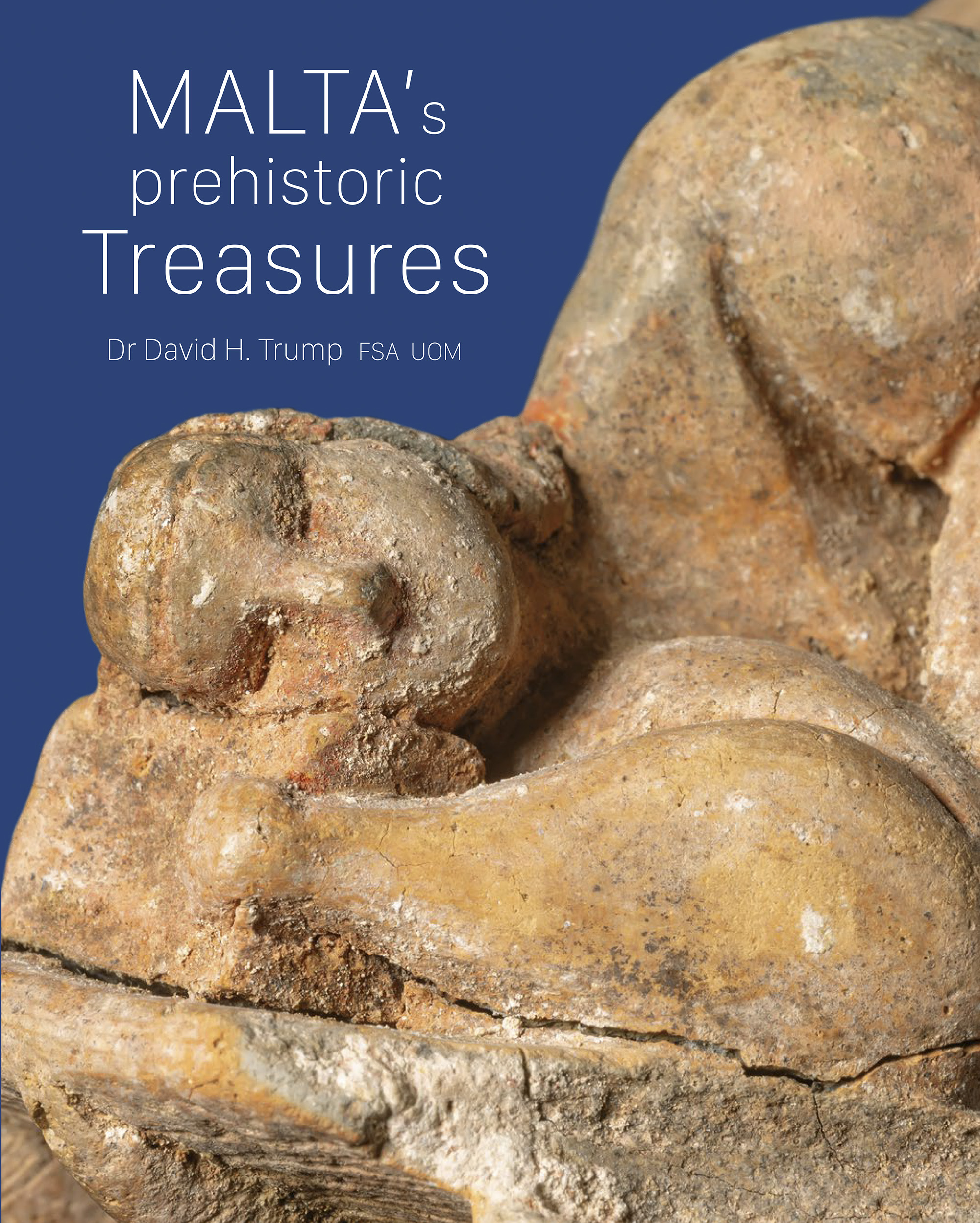
MALTA’S PREHISTORIC TREASURES
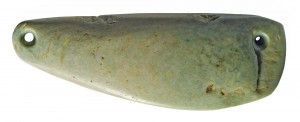 Who knows whose neck the exotic jadeite amulet adorned? To reach the Maltese shores, this item travelled a very long distance in prehistoric times. Therefore, it must have been really treasured, raising the status of its owner. It is difficult to see a symbolic meaning in such an amulet, however, it was chosen to accompany an individual who was laid to rest at the Xagħra Circle in Gozo.
We all know that person who would throw nothing away, and keeps mending an object till the very last. Well, it seems that such persons have existed since prehistoric times. A jar which was unearthed at Skorba Temples was drilled with pairs of holes above and below the crack to tie the two parts together with a long string. Who could tell whether these interventions served their purpose?
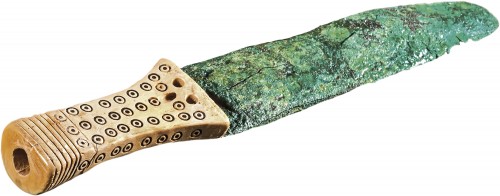
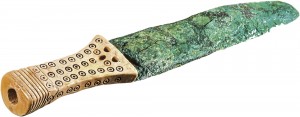 To whom did the elegant bone and copper dagger, that was discovered at Għar Mirdum in Dingli Cliffs, belong? Clearly designed for prestige rather than for defence, such a lovely object is unlikely to have been casually lost. So why was it left in this buried cave?
Was the heavily pregnant female clay figure which was found at the Tarxien Temples, pierced in sixteen places with sharp fragments of shell, really intended to curse an opponent by magical means? And did the magic spell work?
While the first clay figure of the Sleeping Lady that was found in the Hypogeum of Ħal Saflieni rested on its side, another one discovered at the same site, lies face down with her breasts hidden beneath her. If either or both these figures could come to life, they would tell us a great deal about what we should dearly like to know about themselves and their times, though we might have great difficulty in understanding what they had to say. What would it take to wake them up?
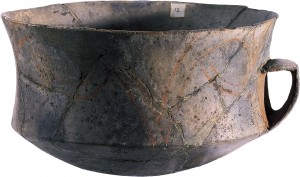 Archaeological discoveries are not only made in main sites. Nearby locations could be as significant for further revelations. The remains of a carinated clay offering bowl was recovered during investigations in the North Cave at the megalithic site of Ġgantija. Decorated with coloured scratched volutes, this bowl must have been considered sacred enough so as not to be casually scattered. It would be so intriguing to know in which rituals it was used.
These are only a few of the engaging narratives which form part of the collection of fifty artefacts in Heritage Malta’s latest publication “Malta’s Prehistoric Treasures”.
Skillfully chosen from the National Collection by the renowned late archaeologist Dr. David Trump, the artefacts are intended to accompany the readers along a personal journey in Maltese prehistory which fascinated him so much.
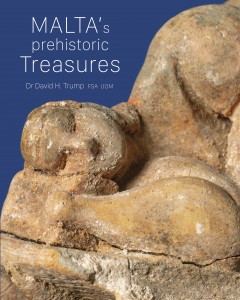 This makes the book even more significant since the selected artefacts are not only allowing the readers to learn about the local prehistoric people but also to see through the eyes of a very inspirational archaeologist.
The book has an additional narrative by Heritage Malta Senior Curator, Sharon Sultana.
Photography and design by Daniel Cilia.
Malta’s Prehistoric Treasures is available from Heritage Malta sites and museums.
For more information, visit www.heritagemalta.org
(This feature was published in The Times of Malta issued on 30th December 2019)
-
THE MAGIC IS IN THE DETAIL
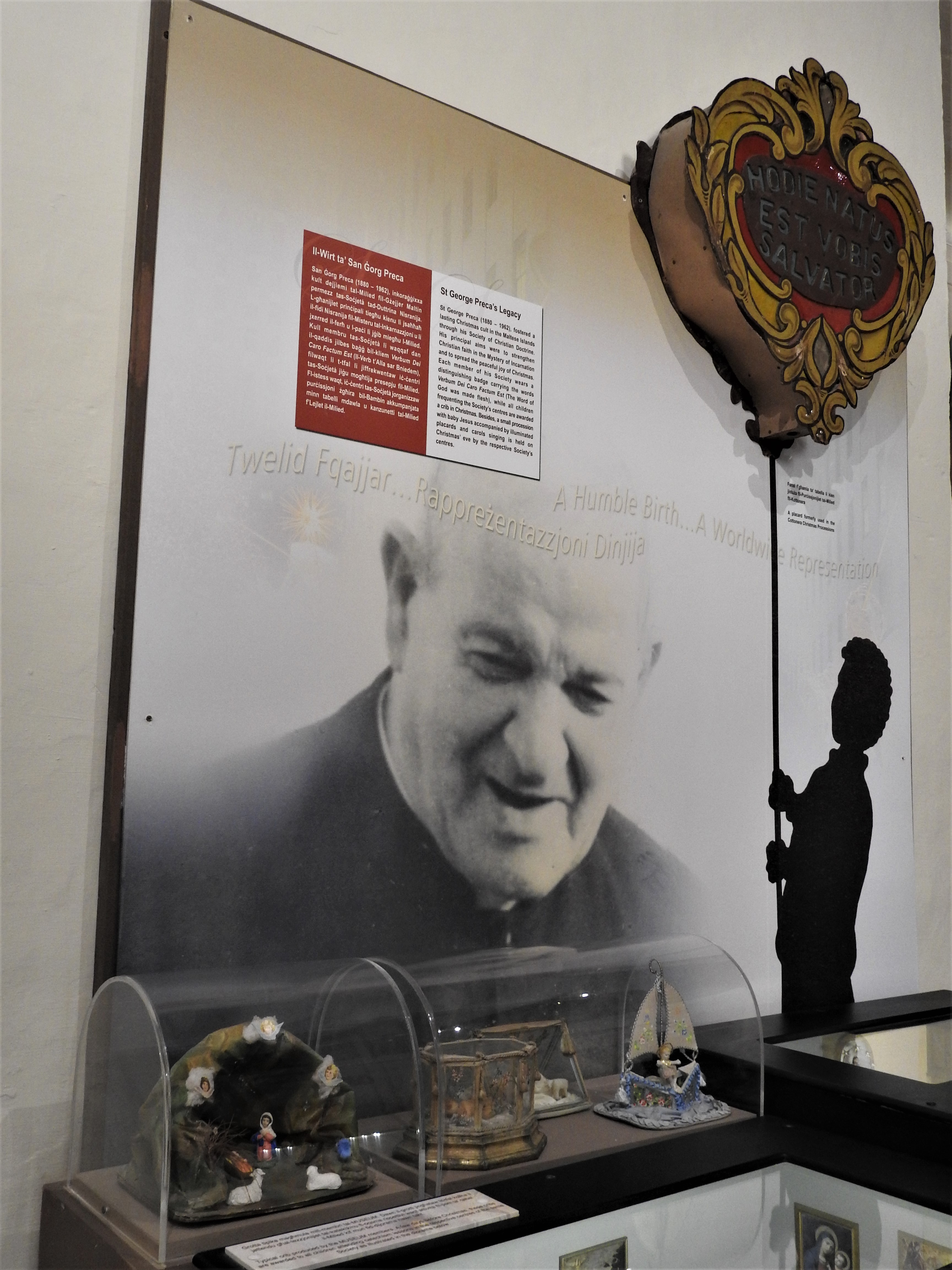
 Although the main characters of the nativity scene are Joseph, Mary and baby Jesus, different cultures have added and altered the original representation in order to include their own characteristics. Some of these varying interpretations can be viewed in a permanent exhibition at the Inquisitor’s Palace in Birgu, which also houses the National Museum of Ethnography.
In Malta, it was St George Preca (1880 – 1962) who fostered a lasting Christmas cult through his Society of Christian Doctrine. On Christmas Eve of 1921, he organized the first procession with a statue of baby Jesus. He also started the tradition of giving a crib and a statue of baby Jesus to every child who attended the MUSEUM centres.
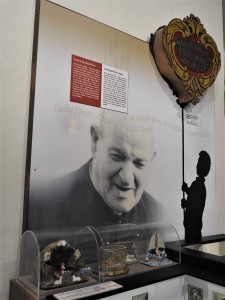
In the exhibition, an image of Preca looks over at a rudimentary crib which has initiated a tradition that is still celebrated nowadays. A detailed diorama portrays further this tradition, showing a MUSEUM Superior handing out a crib to a boy, while a number of other children are already joyfully holding their cribs. An altar which is included in the diorama is decorated with flowing white vetch.
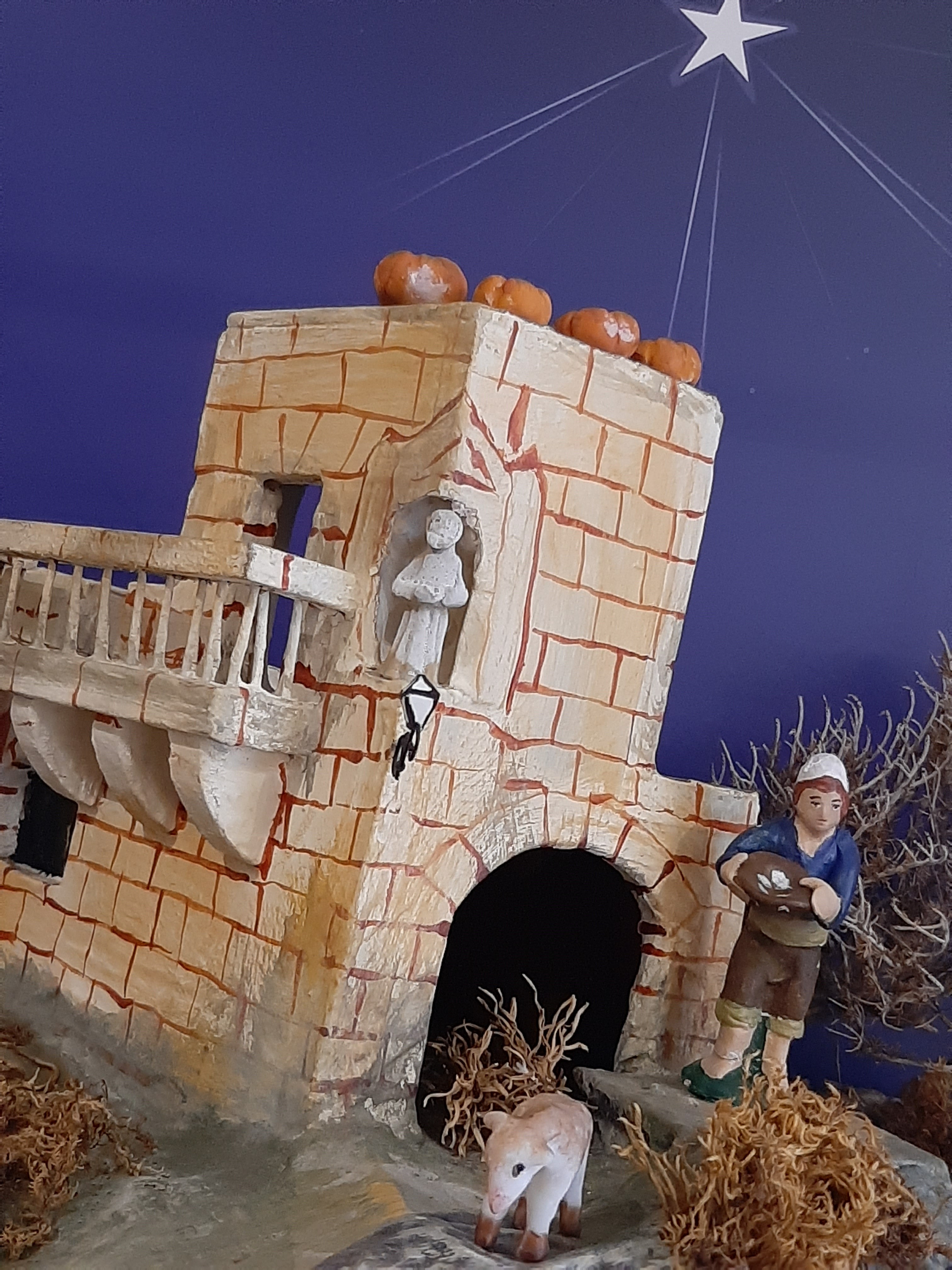
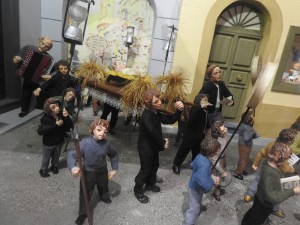 Another diorama looks like a time capsule showing the traditional procession of baby Jesus together with other local customs. Not only can one observe the MUSEUM members carrying the statue of baby Jesus, but one can also delight at the children carrying lights and Christmas messages while singing Christmas carols. The context is further enriched by the presence of traditional Maltese town houses, with their colourful wooden doors and with their wide open windows decorated with a small statue of baby Jesus.
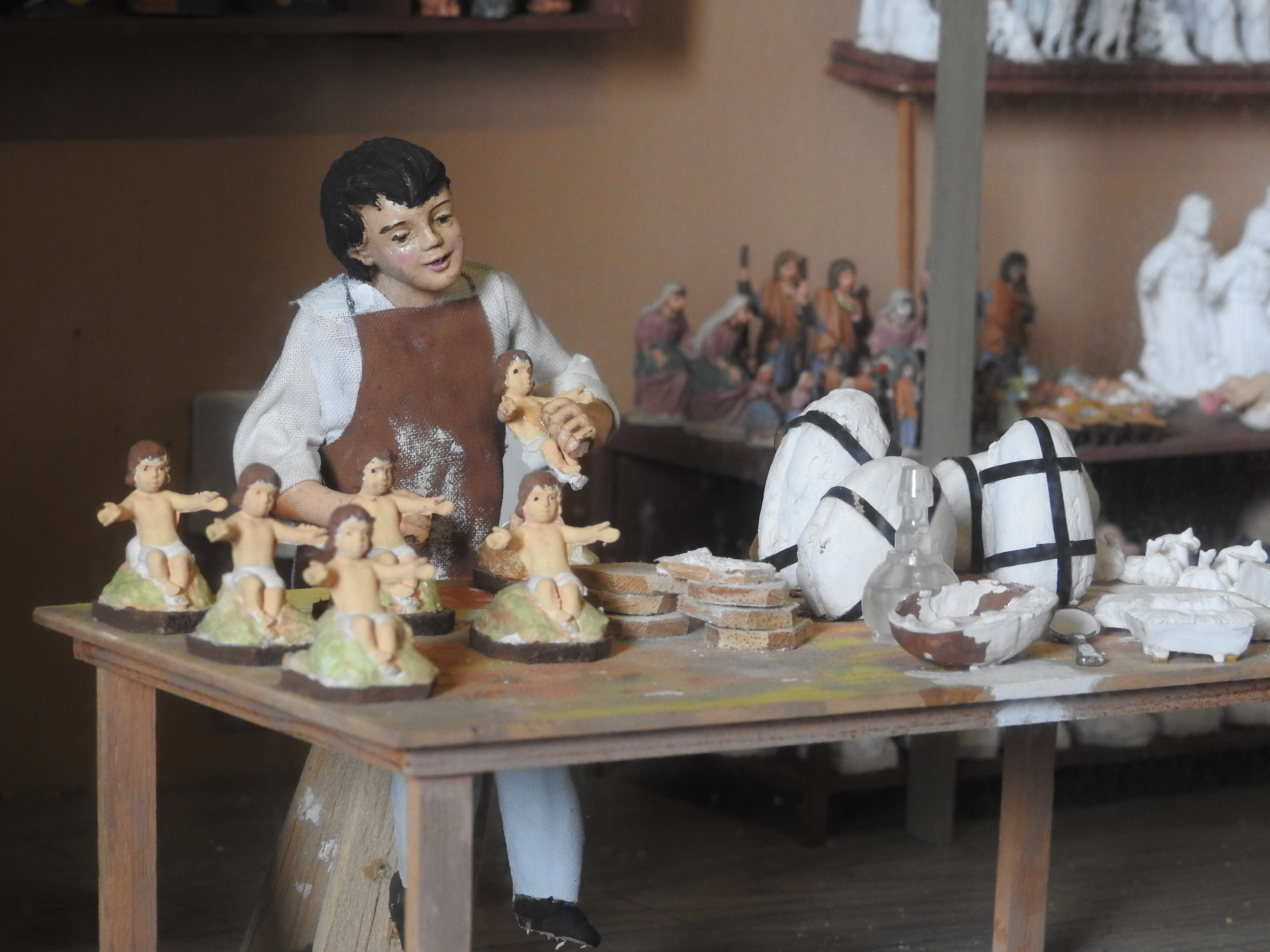
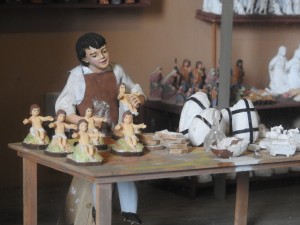 These two dioramas form part of a set that was donated to Heritage Malta by Austin Galea; a well-established artisan and personality among local crib enthusiasts, and a founding member of the Għaqda Ħbieb tal-Presepju (Malta). The set of dioramas give life to further Christmas traditions, such as the sermon of the altar boy during Christmas’ eve mass, a large crib displayed for public viewing, a group of craftsmen in a workshop manufacturing statues and cribs, and a Christmas lunch being enjoyed by a family.
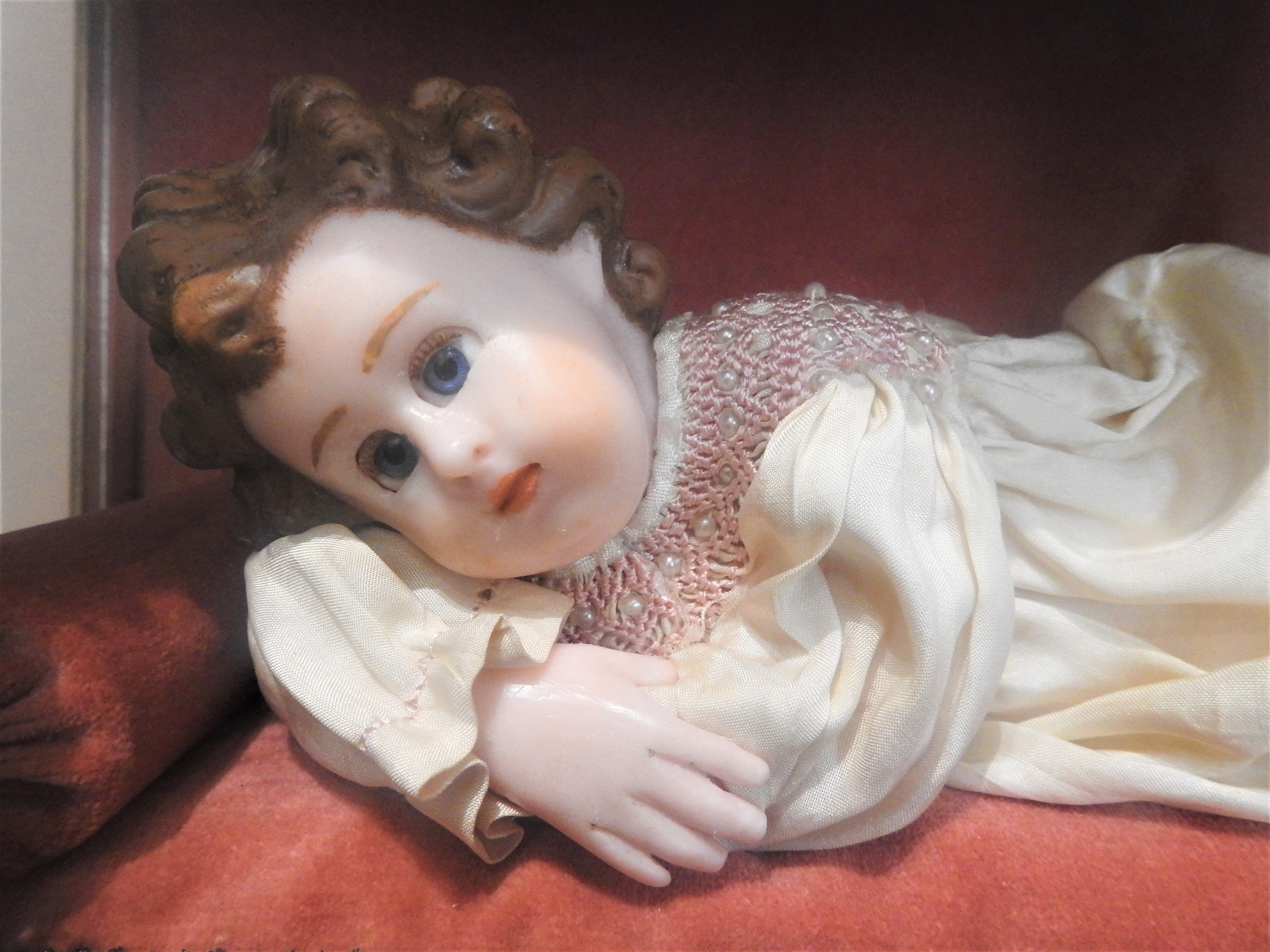
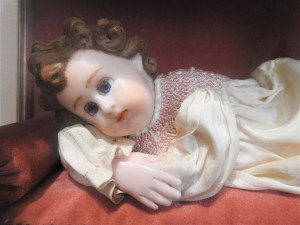 Galea has also donated two large nativity scenes which are typically exhibited in windows of private houses during the Christmas season in Malta. Other donations by him include different traditional statues of baby Jesus. Traditionally, the baby Jesus statues were made of wax to obtain a soft and translucent finish. The statues were eventually dressed up in an embroidered tunic, while many borrowed real hair from a toddler’s crowning curls.
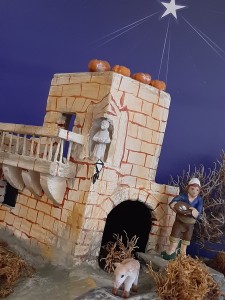 A large Maltese crib is also part of Galea’s generous donation. The crib is a comprehensive study of Maltese traditions in itself. Typical Maltese figurines are dressed in traditional local costumes, and among them, one also finds the unique Maltese symbolic characters. The Stupefied figurine represents those who are impressed by the profound meaning of the unique happening. The Beggar represents the poor who find consolation in Christ. The Climber represents those who find it difficult to understand the significance of Christ’s incarnation but strive to discover out. The Folk Singers represent communal association in praising the Lord, while the Sleeper represents those who ignore the immeasurable benevolence of Christ. The rugged landscape with its terraced fields, sparse vegetation, low-profile unpretentious farmhouses and a windmill are reminiscent of the rural ambience of the old times.
Besides donating his first clay crib figurines which were given to him by his aunties and an unusual crib made of sacks that was constructed by him, Galea shares also his knowledge relating to Christmas crib construction in a short video which forms part of this exhibition.
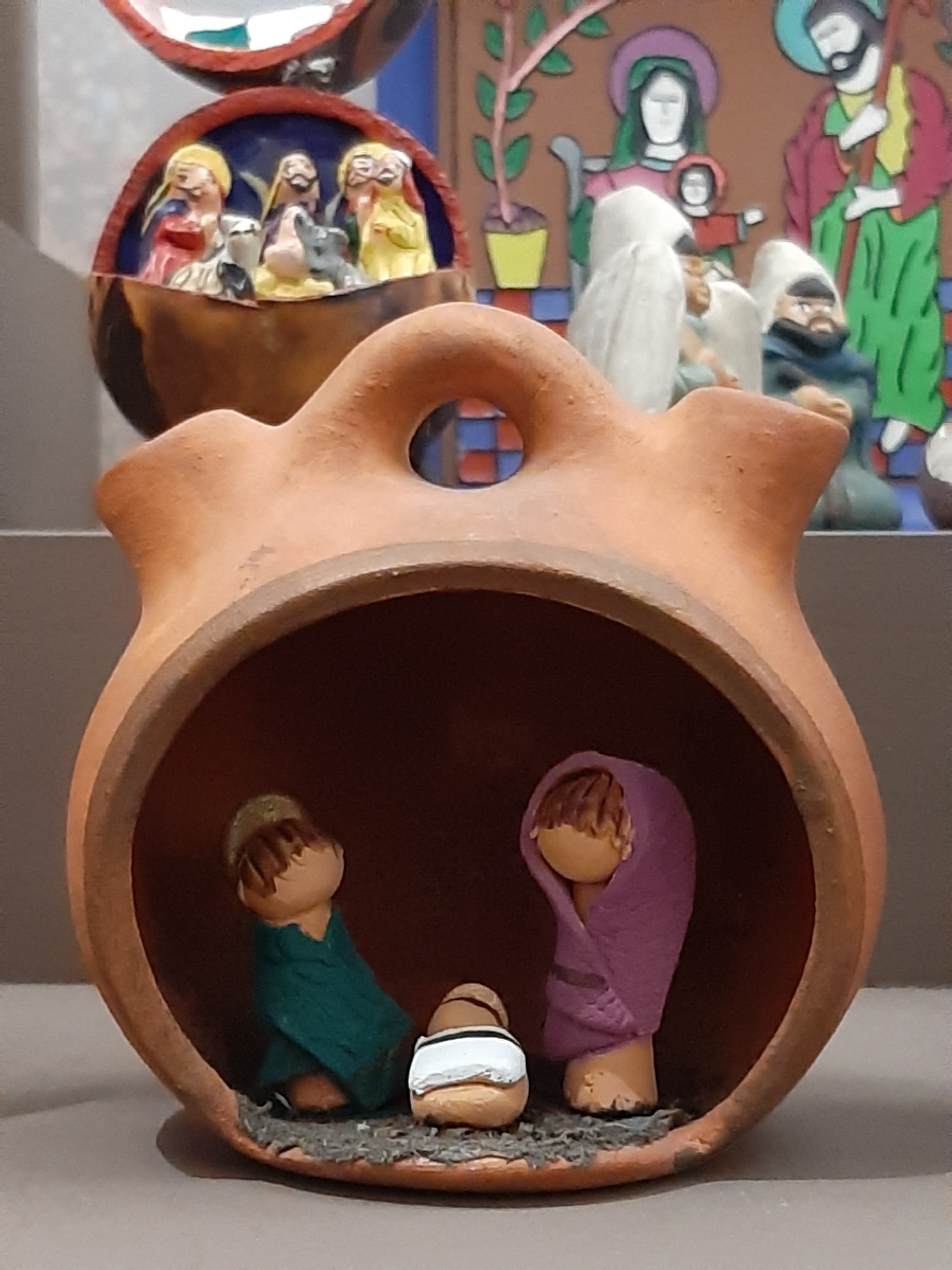
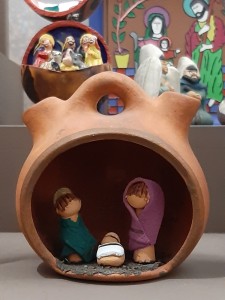 Another intriguing element in this exhibition is the donation of numerous miniature cribs which were brought by Albert and Lina McCarthy from all over the world. The professional tour managers have been gathering this impressive collection since the early 90s. Their collection amounts to more than 500 miniature works of art, a representative selection of which is on display at the Inquisitor’s Palace.
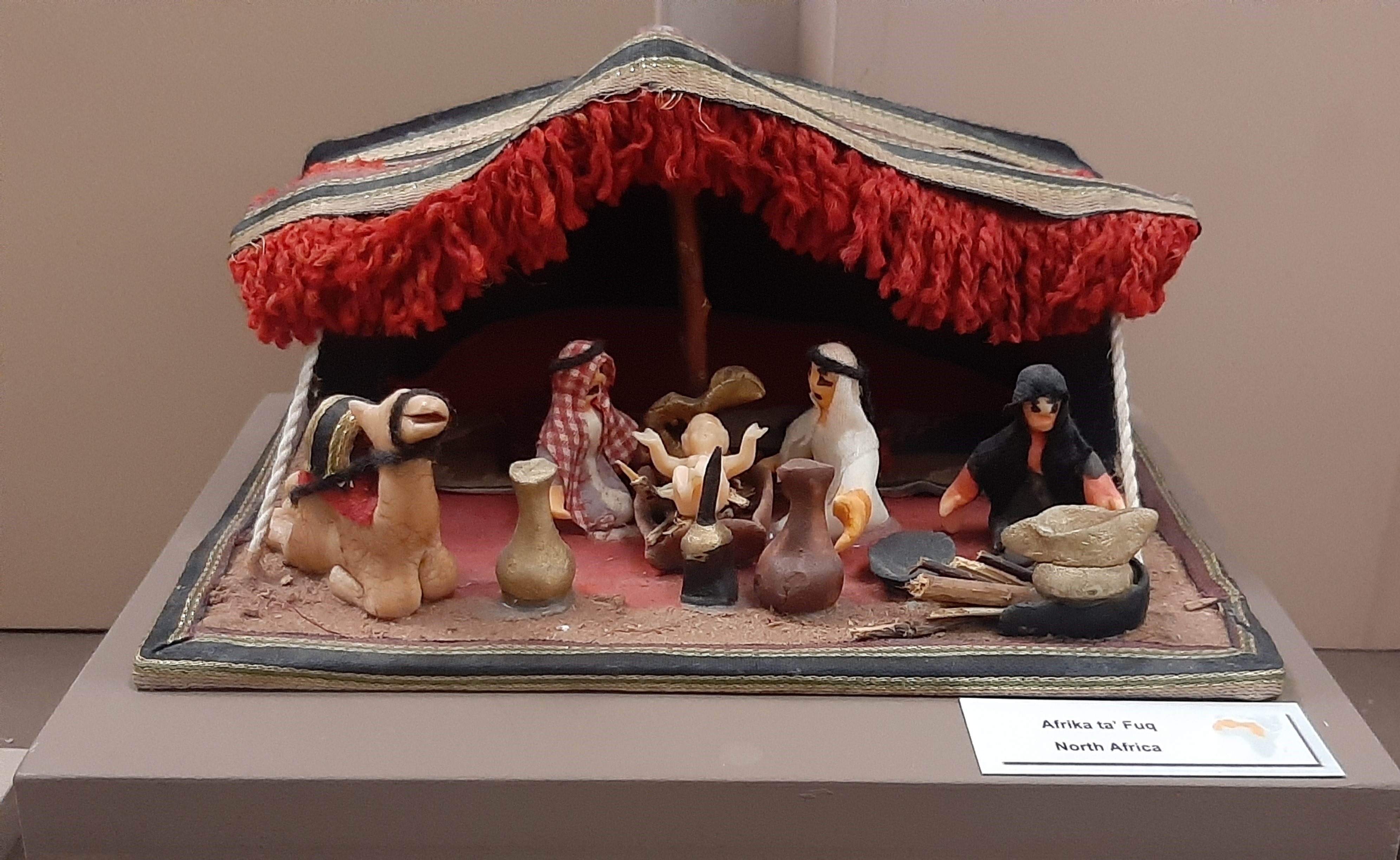
Exhibited in four different sections, the varying nativity scenes representing North and East Europe, Southern Europe and the Near East, North and South America, and Africa, Asia, the Far East and Australia are simply enchanting. The magic is in the detail of each crib which presents the nativity scene in various contexts, with distinct characters and in diverse materials.
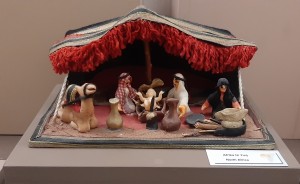 Some of the most notable are the terracotta nativity sets from Hungary and Peru, the ceramic sets from Denmark and the Philippines, the engraved wooden shoe from Amsterdam, the wooden sets of Germany, Austria, Japan and Iran, the metallic artwork from Bali, the sack nativity set from Sri Lanka and the clay figurines of North Africa set in a bedouin tent, dressed in traditional costumes and accompanied by a camel instead of farm animals.
A visit to this permanent exhibition held at the Inquisitor’s Palace is most educational and entertaining for children, and also curious and insightful for adults. The exhibits are a tribute to local and foreign artisans who have used their creativity to reproduce the significant nativity scenes in various intriguing representations.
(Published in Christmas Times magazine issue with The Times of Malta dated 7th December 2019)
-
THE SELLING GAME
 Advertising is said to reflect the societal tastes, beliefs and norms. By looking back at the adverts that were published in the Times of Malta at the end of the years 1939 to 1944, this becomes very clear. Yet even their absence during the days of war have much to say.
There are whole studies and much research behind advertising. Adverts are used as a form of communication intended to convince an audience to purchase or take some action upon products, ideals or services. Their regularity aim to impact on memory to create a sense of familiarity and trust to buy those products.
Indeed, while turning the pages of November – December 1939 and 1940 of the Times of Malta, it is evident that a group of particular brands are always featuring. Most relate to health, beauty, alcohol, insurance, entertainment (mainly cinema), fashion and gifts.
Health adverts at the time generally focus on irritability of the stomach, laxatives, cold and fever, rheumatism, eczema, fatigue and sleeplessness. The message on the adverts is mainly delivered through drawings and long descriptions about the benefits of using the products.
 The text is generally presented in the form of a conversation – “Why continue to be agonised by Terrible Headaches, Niggling Nerve Pains, Black Depression, and Heavy-Limbed Lassitude?” – reads the introduction of an advert for tonic tablets.
“Do you realise the danger? Impure blood causes disease.” – says another advert selling a ‘blood mixture’ as ailment against rheumatism, lumbago, eczema, boils and pimples.
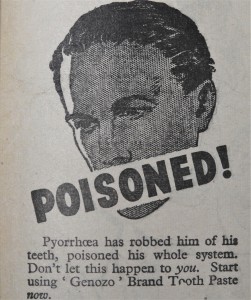
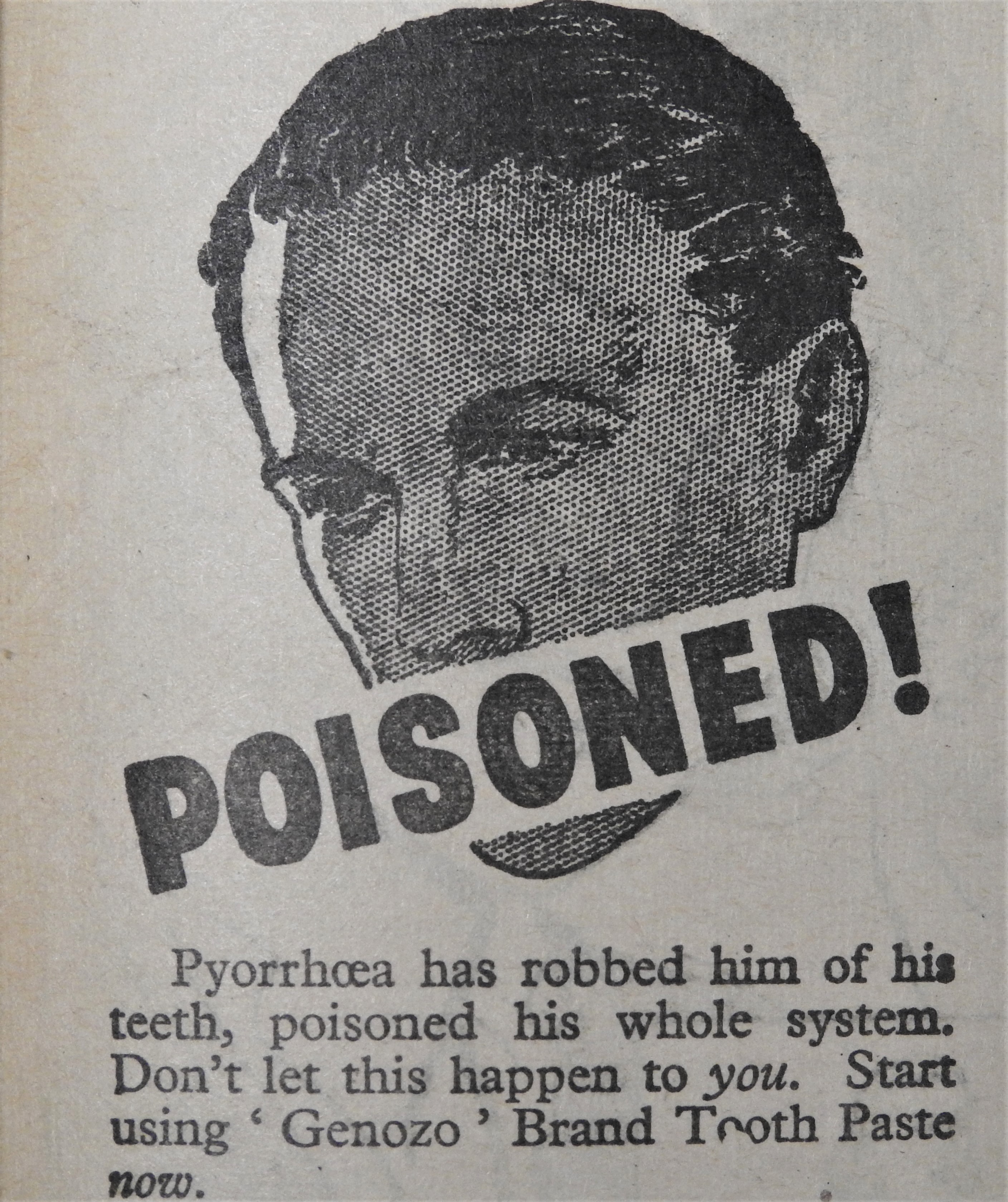
Communication with the readers is stark and direct – The word “Poisoned!” in capital black letters runs over the mouth of a man in the advert of a toothpaste. “Pyorrhoea has robbed him of his teeth, poisoned his whole system. Don’t let this happen to you.”
“Is running a house too much for you?” reads the title of an energy drink. “Do you feel that the cares of the household get you down and managing your servants is a strain?”
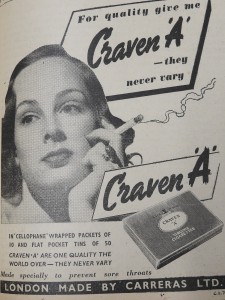 The quantity of adverts focusing on health issues form quite a big chunk of the advertising at the time. However, ironically, these are accompanied by cigarette adverts, one of which shows a beautiful young woman with a cigarette in her hand. A section of the advert text reads – “Made specially to prevent sore throats.”
Some of the adverts published at the time will certainly be unacceptable nowadays. Social class differences, sexism and offensive messages are quite typical.
“Women who belong to the 1st sleep group never grow old before their time. There are 3 groups. Which do you belong to?” – asks an advert selling Horlicks. “Most attractive women belong to the 1st sleep group.” – states another one. “Men who are sure of themselves belong to the 1st sleep group.” – and – “Men who get on in life nearly all belong to the 1st sleep group”.
 “Don’t look old! Tint those grey hairs with Shadeine.” – jumps at you an advert selling hair colour.
Advertisements can influence strongly how we perceive things around us. By showing a high social class user of a product, the advert creates a longing or a pressure to purchase that item in order to belong to that level of society.
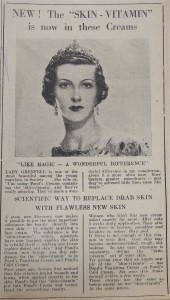
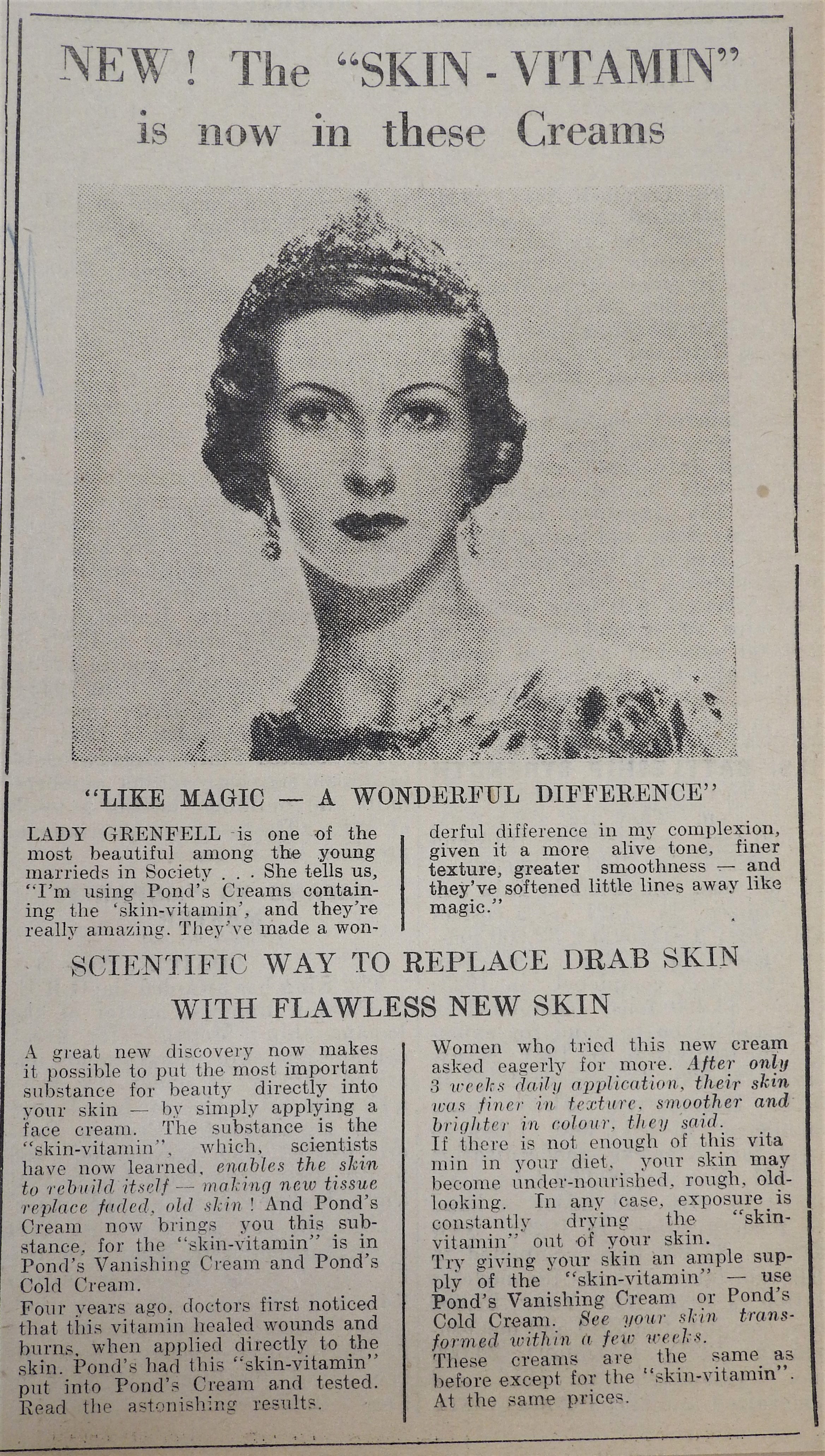
A skin-vitamin cream portrays the drawing of a beautiful lady, all dressed up in perfect make-up, set-up hair, a pair of lovely earrings and a crown. – “Lady Grenfell is one of the most beautiful among the young marrieds in Society…. She tells us, ‘I’m using Pond’s Creams containing the ‘skin-vitamin’, and they’re really amazing.”
“Many army and royal navy officers enjoy the comfort of our hand-made footwear. Why Not you? Sir.” – entices an advert showing the drawing of a highly elegant man sitting in a luxurious armchair while a shoe-maker sits on a stool to help him try on a new pair of shiny “Best English leather”.
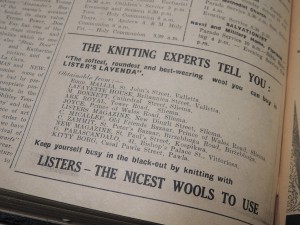 A shade of the effects of the Second World War, even though not yet happening in Malta is already present in adverts of 1939.
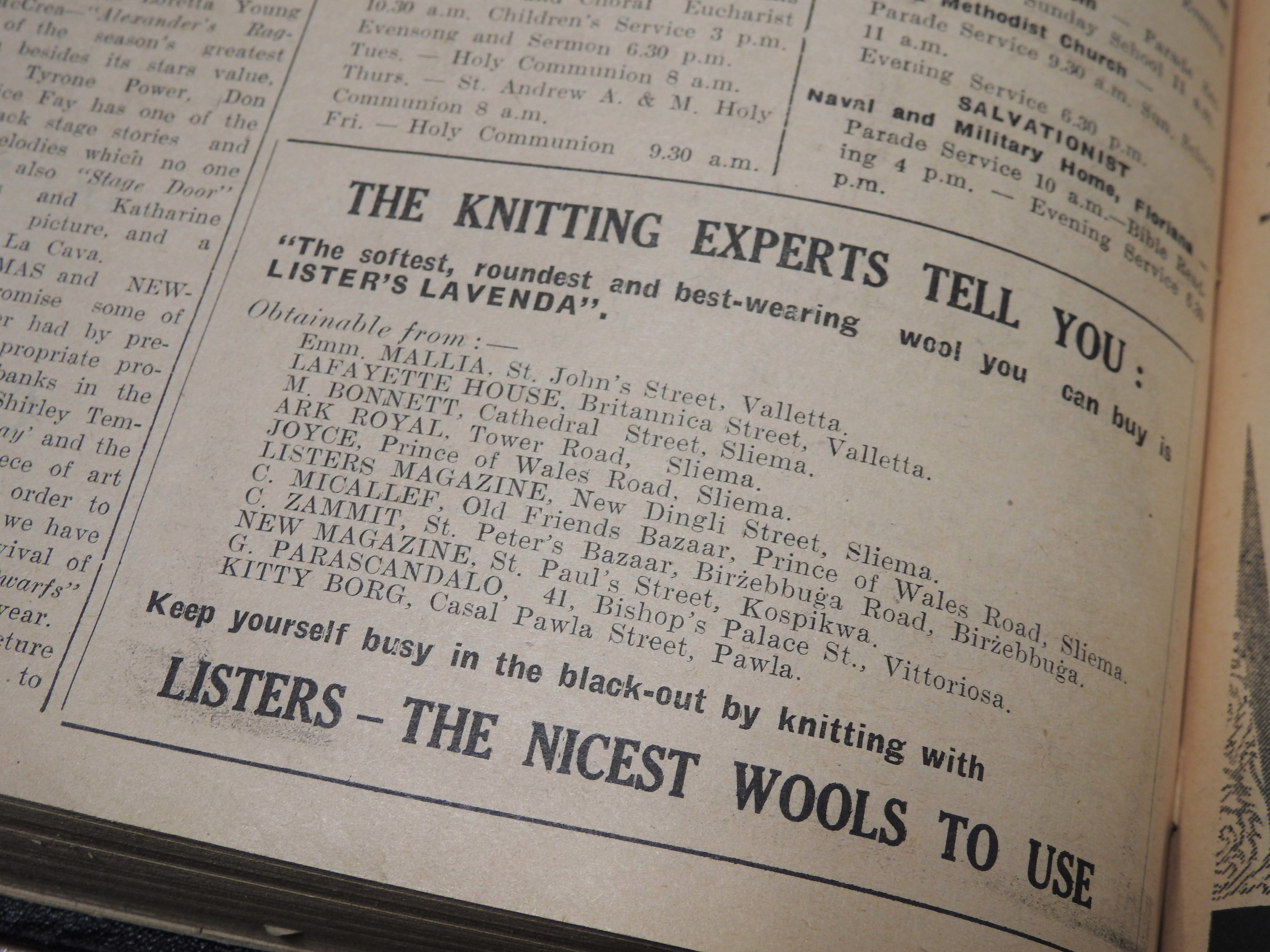
“Keep yourself busy in the black-out by knitting with Listers – the nicest wool to use.” – advices an advert. “Bernards suggest that you give sensible gifts this Christmas. Such gifts as shirts, pyjamas, handkerchiefs, ties, socks, gloves and wool-slipovers all make very acceptable presents.” – recommends another one.
Not only adverts diminish in 1941 during the war days in Malta. Even the newspaper itself shrivels to a few pages although being published daily.
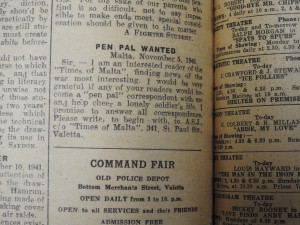 “Test your gas mask. Gas Chamber at Castile Place today.” – reads a warning advert on the front page of the Times of Malta on Tuesday, November 4, 1941. “There is no better way of ensuring that the respirator is still properly functioning than by putting it on and entering the gas chamber.”
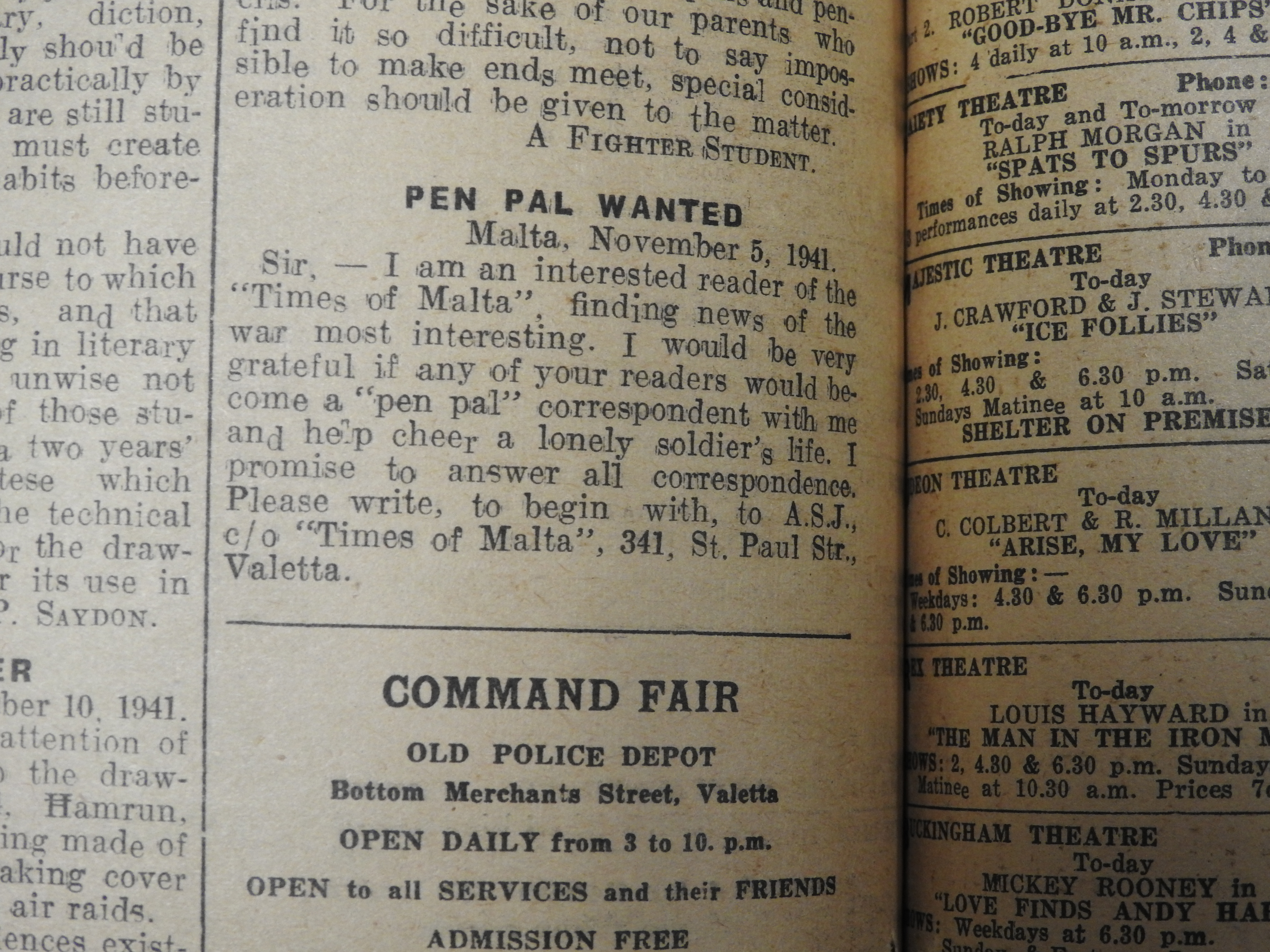
Amid the difficulties of war, an advert speaks out the request for a pen pal – “I am an interested reader of the “Times of Malta”, finding news of the war most interesting. I would be very grateful if any of your readers would become a “pen pal” correspondent with me and help cheer a lonely soldier’s life.”
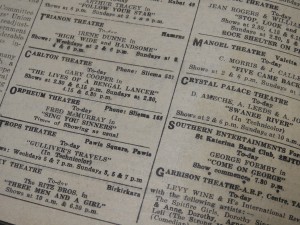 A considerable decrease of adverts continues in 1942. Alcohol adverts drop out completely. Cinema continues regularly in the following theatres – Manoel and Coliseum in Valletta, Gaiety, Majestic, Carlton and Orpheum in Sliema, Odeon, Thrianon and Rex in Ħamrun, Prince in Birkirkara, Buckingham and Royal in Żabbar, and Empire in Paola.
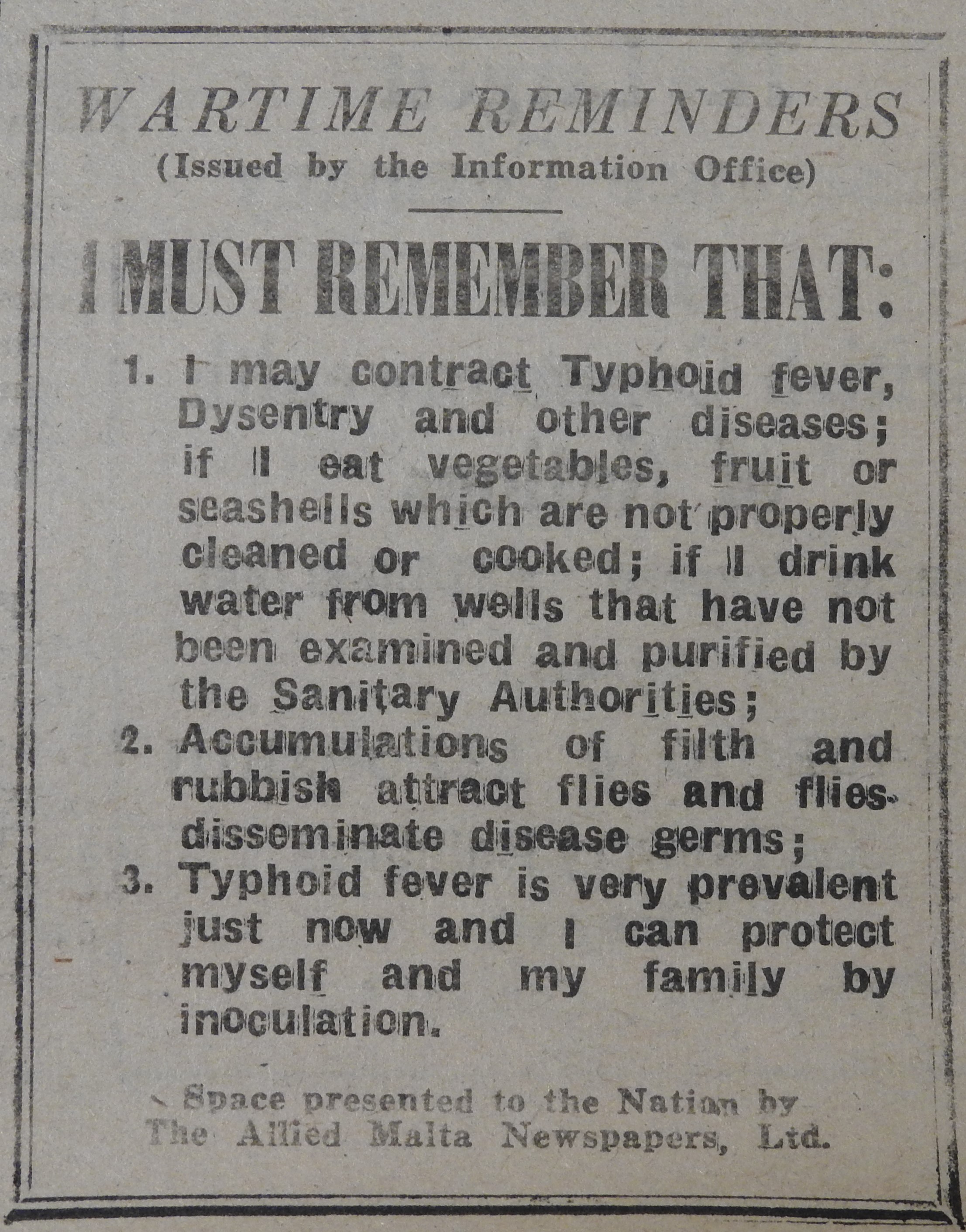
“What do I do…. about the black market?” runs an advert issued by the Information Office. A Wartime Reminder advert issued by the same Office reminds people that “Imported Fuel is used for pumping Water. Reduced consumption of water saves Fuel. A saving in Fuel saves Freight, (and) Saving in freight helps to win the War.”
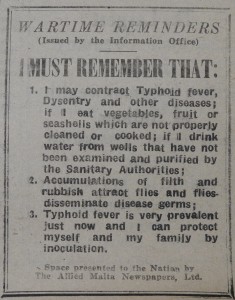 Another Wartime Reminder recommends the adequate washing of vegetables, fruit and seashells, and their proper cooking while warning against the accumulation of filth, since these may lead to Typhoid fever and Dysentry. Inoculation against the Typhoid fever is also advocated.
The siege on the Maltese Islands effectively ended in November 1942. Yet adverts show that life took time to return to normal especially since the Second World War had not yet ended in other countries.
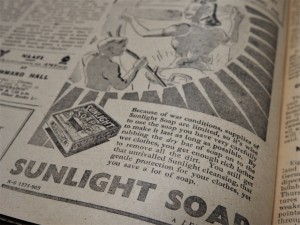
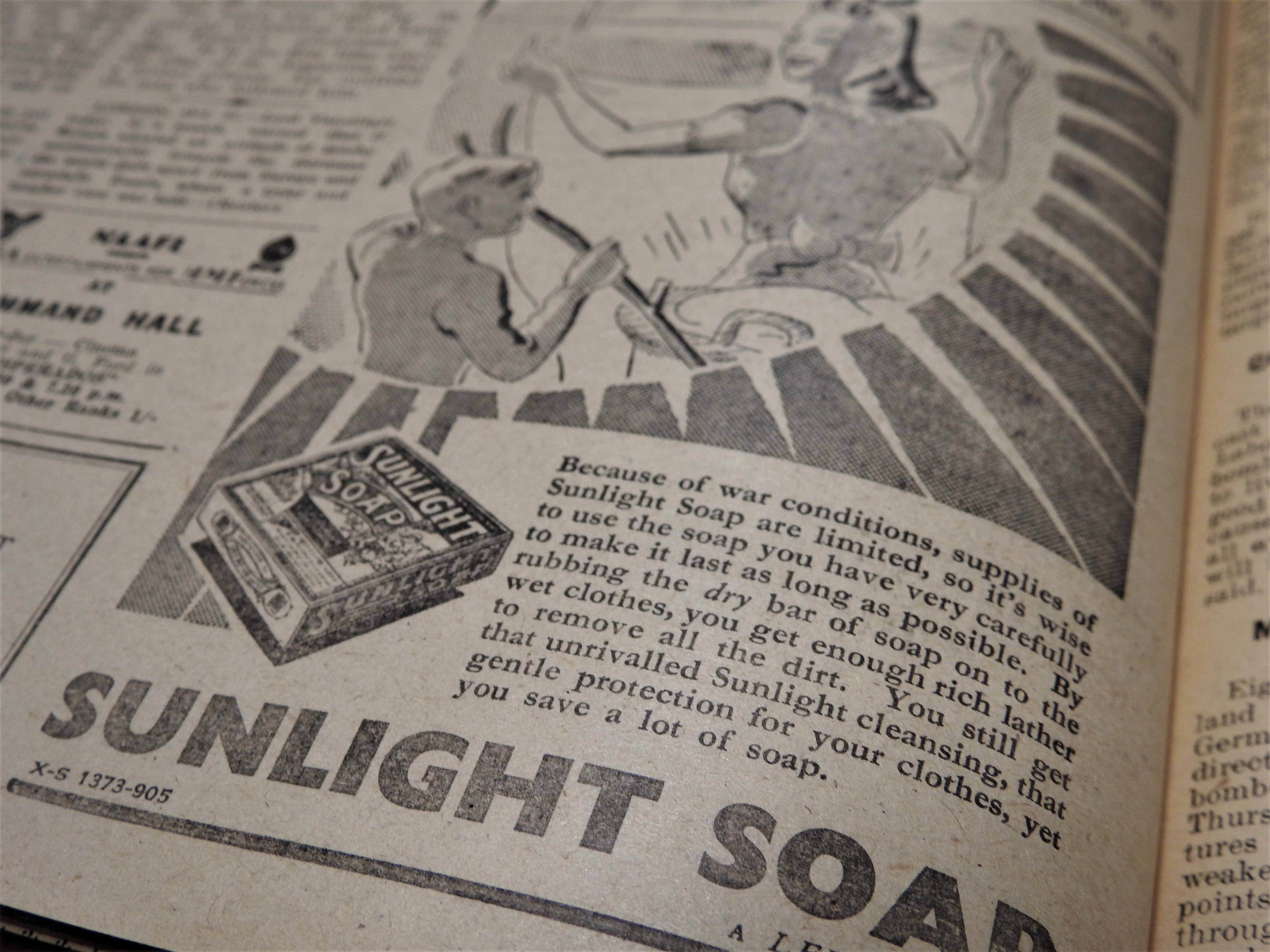
An advert issued by the N.F.U advices to eat cabbage and cauliflower to keep fit. Another advert informs its clientele that “Because of war conditions, supplies of Sunlight Soap are limited, so it’s wise to use the soap you have very carefully to make it last as long as possible.”
Even tennis balls were restored instead of purchasing new ones – “Hand in your old Tennis Balls to any of the Sports Dealers named below, who will forward them to Slazengers for renovation by a special process which includes reinflation and provision of a new outside cover.”
During the days of war, a few selected companies such as Bovril, managed to stay in the public eye through advertisements. “Makes all the difference between bread and butter.” The Bovril advert states. “A 4-oz. Bottle of Bovril makes over 100 delicious sandwiches.”
 Other adverts such as the one for Dettol portrayed the company’s involvement in the war efforts and reminded that the product should be used with “measured care” in order to keep the supply flowing.
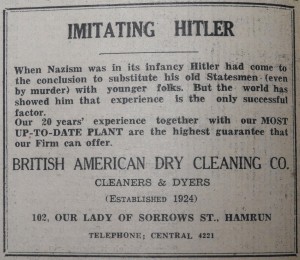
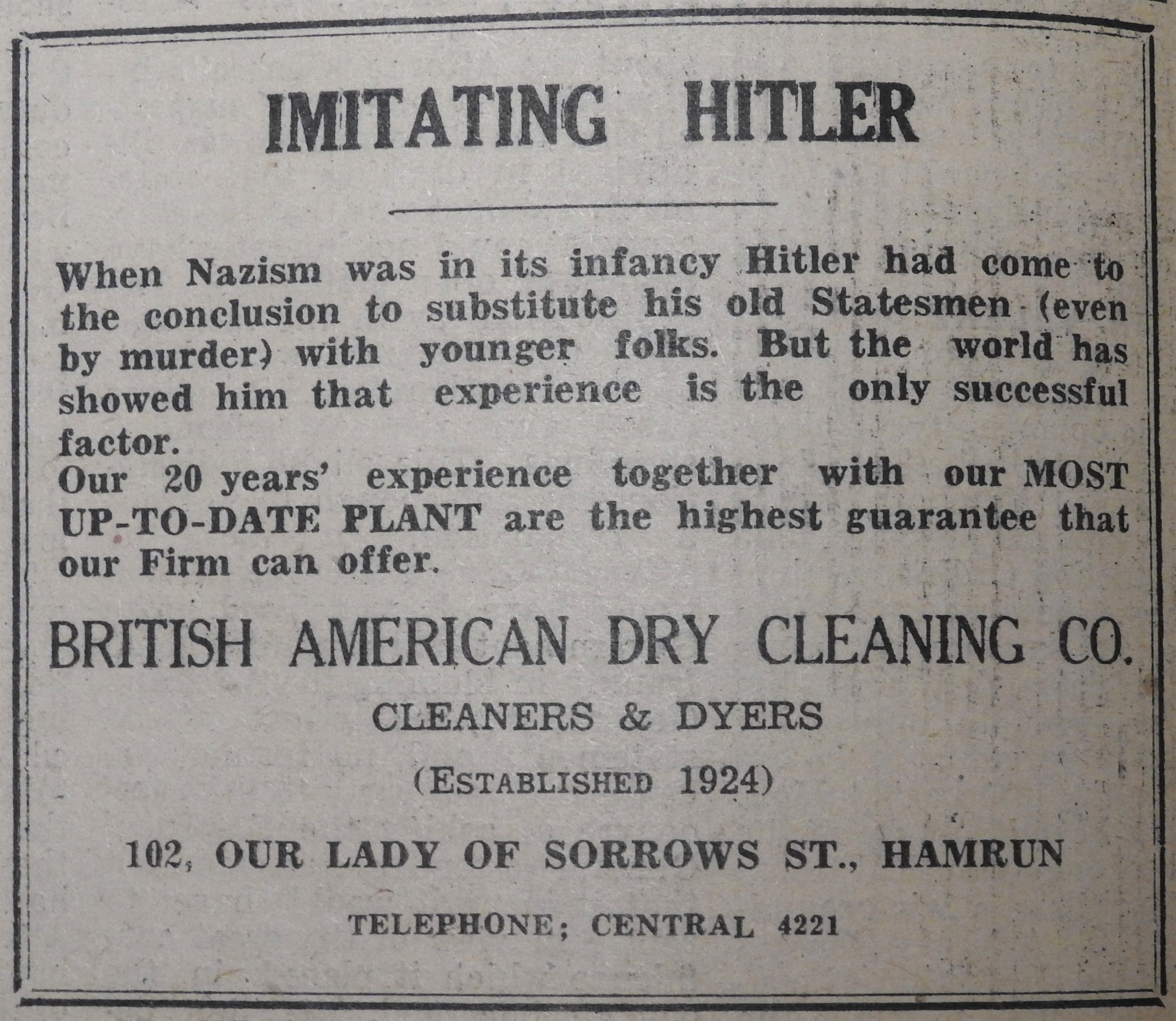
Marketers have always adapted to changing business demands when it comes to creating new advertisements. However, there are moments when their creativity is quite shocking – “Imitating Hitler” screams the title in bold capital letters of the British American Dry Cleaning Co.
(This feature was published in the Christmas Supplement issued with the Times of Malta dated 1st December 2019)
-
NEVER FORGOTTEN
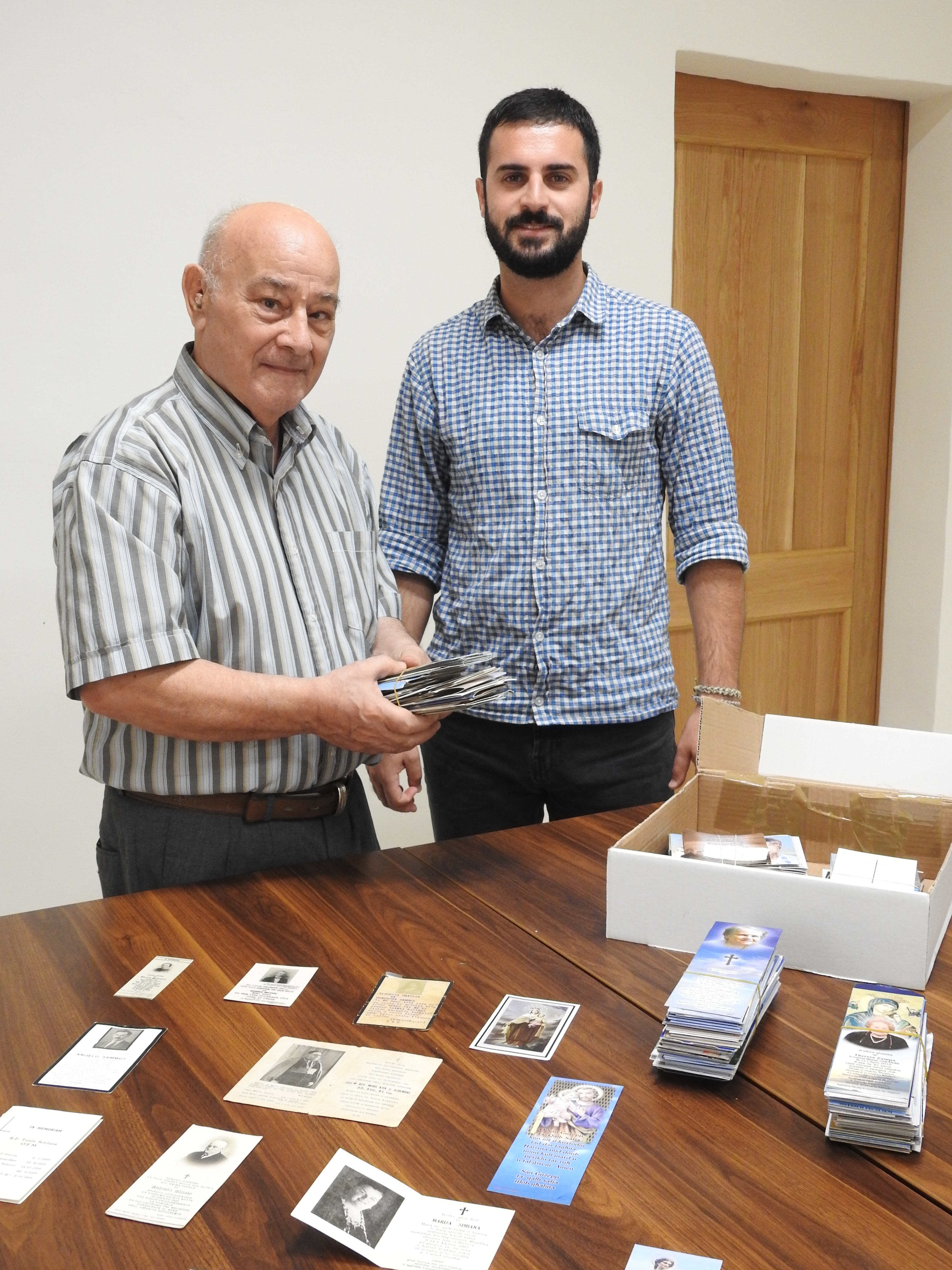
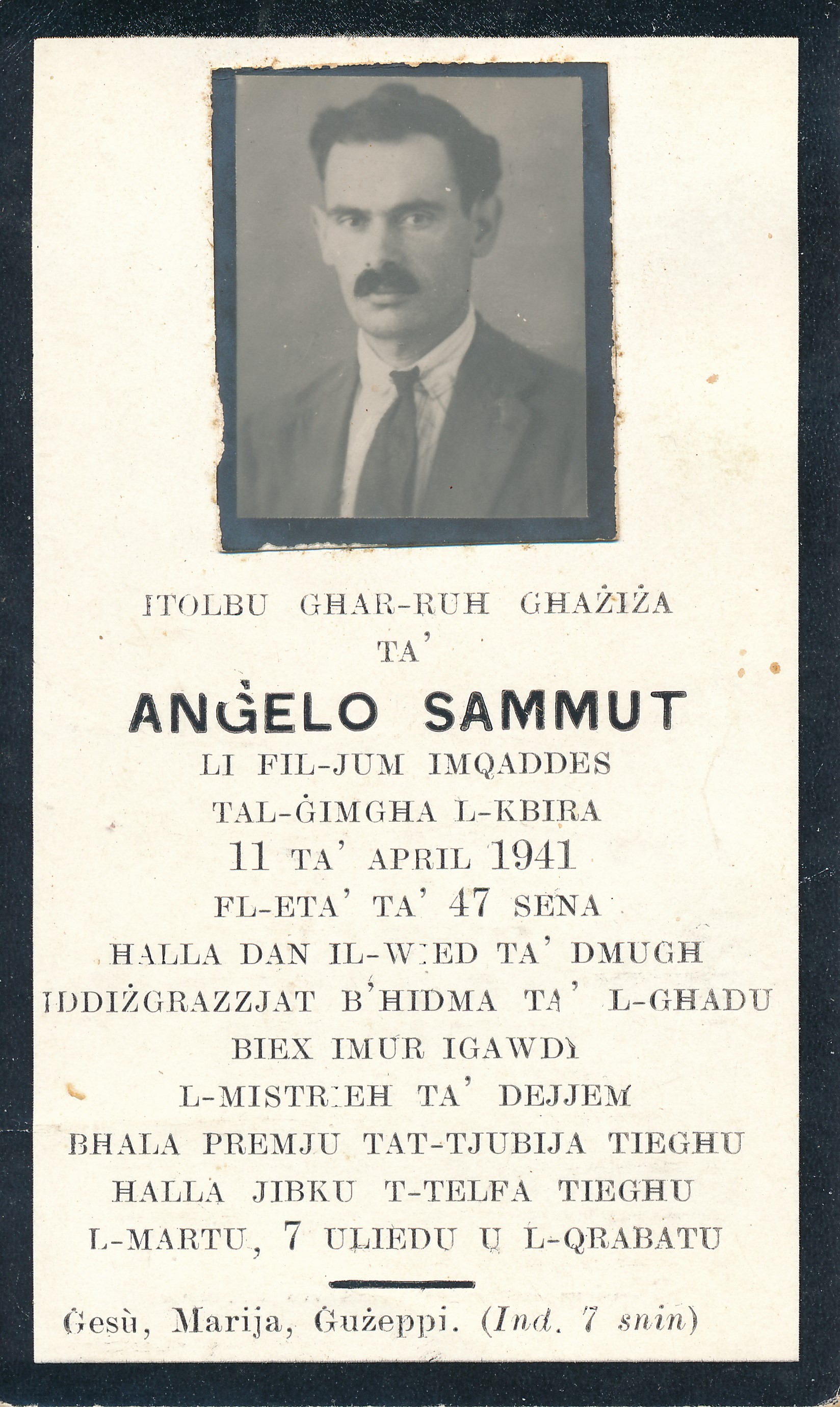
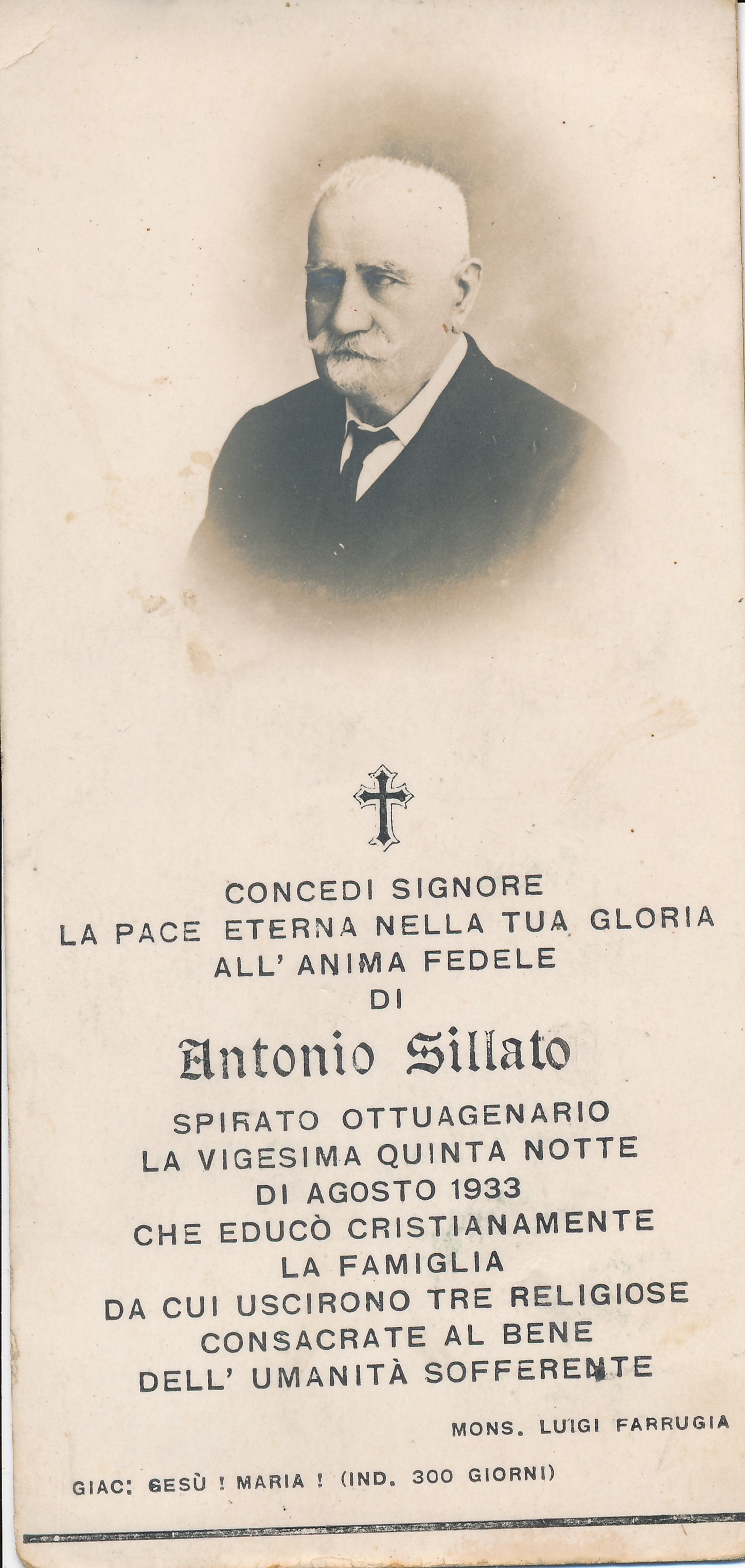
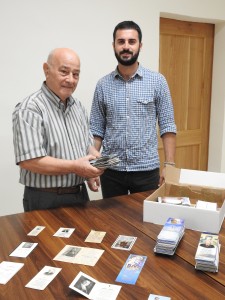 Recently, Max Farrugia has donated a collection of 10,500 memorial cards to the National Archives of Malta. I was curious to learn why someone would wish to have such a collection and what was its value to the national archives.
“Initially, I started this collection in order to pray for the souls of the dead,” revealed Max. “I would separate the memorial cards into sets according to the village or town they came from. Then, each week, my family and I would choose a set, spread the memorial cards on a table and pray for their souls.”
“We were aware that among those individuals, there were elders who had no one to pray for them and so we did. We also believe that prayers can be passed on to other souls if the person we are praying for is already in heaven. Flowers wither, tears dry out but a prayer is always beneficial.”
Max succeeded to gather such a huge collection, mostly by word of mouth, and also a touch of luck, here and there.
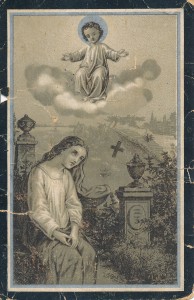 “I am 73 now and I have been collecting memorial cards for many years. When people learn that you have such an interest, they would generally help you out. I still receive packs of memorial cards in my letter box. Facebook is another great tool for such things. Whenever I post a request for memorial cards, someone will always respond,” he said as he smiled.
Then there are moments of serendipity.
“One day, I was attending mass at the chapel of Fort St Angelo and I noticed a memorial card in the sacristan’s hand. I approached him and asked him whether I could have it since I was a collector. He gave it to me eagerly and told me to return within an hour so that he could bring me more. There were 400 memorial cards waiting for me when I returned!”
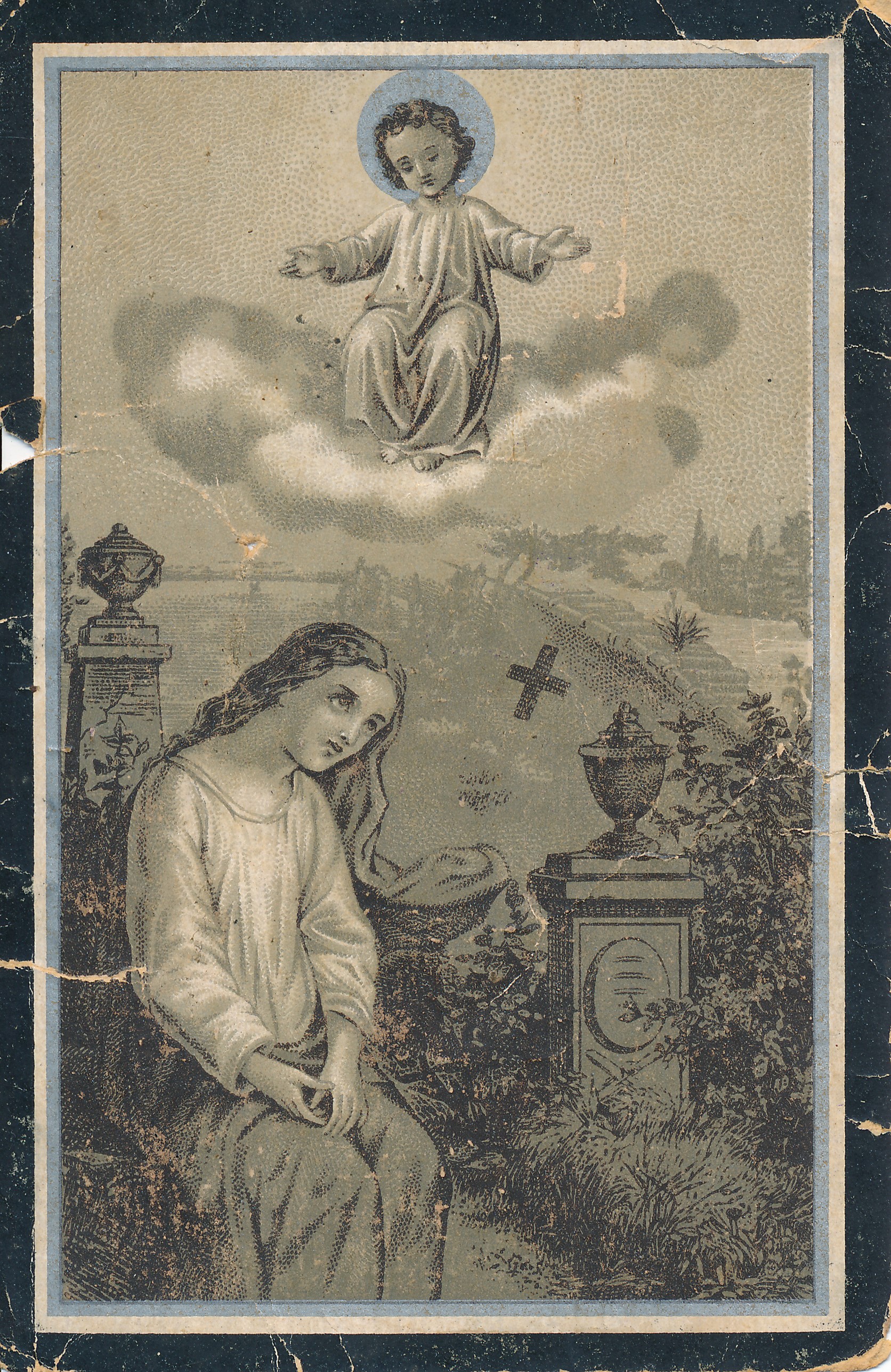
Some of the memorial cards in this collection go back more than 100 years. One of the oldest ones was discovered accidentally.
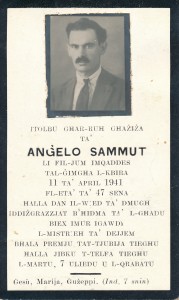 “I was at the DOI office to get some documents and while I waited, I started to talk with one of the officials. Soon I learnt that he lived in Birżebbuġa and when he continued to elaborate, I realised that he had purchased my great grandfather’s house. When I told him that, he informed me that he had found two old memorial cards in a piece of old furniture in that house. We met later on and he gave them to me. The memorial cards were of my great grandfather dating to 1897 and his brother.”
As he opened some of the boxes brimming with memorial cards, Max selected a number of them to explain their research value to me.
“These memorial cards are rich with information for researchers. For example, they can be very significant to genealogists when they are tracing people to build a family tree. From the date of the demise of a person, one can research for further information at the Public Registry, where one would then obtain the date of birth. From the birth certificate, one can then identify the parents, and can continue to trace back the grandparents and so on.”
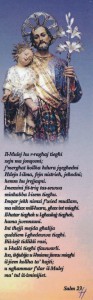 The images of the saints on memorial cards, which are generally patron saints, will reveal the location which the deceased came from.
“From this information, a researcher can then look for more details in the particular parish archives. Look at this memorial card,” he said as he chose one of them. “On the left side, there is an image of Christ the King which is the patron saint of Paola and on the right, there is the image of the Immaculate Conception which is Cospicua’s patron. This means that this person was born in Paola and then he moved to Cospicua.”
The National Archives hold a vast collection of passports and from them, researchers manage to find photos of people and other details. Yet, this collection does not cover those persons who were never abroad. This lacuna can be filled through the collection of memorial cards. Interestingly, from this collection, one can also trace Maltese people who emigrated and died in Australia and in other countries, since their Maltese relatives tend to organise a mass in Malta to pray for their souls and give out memorial cards to those who attend.
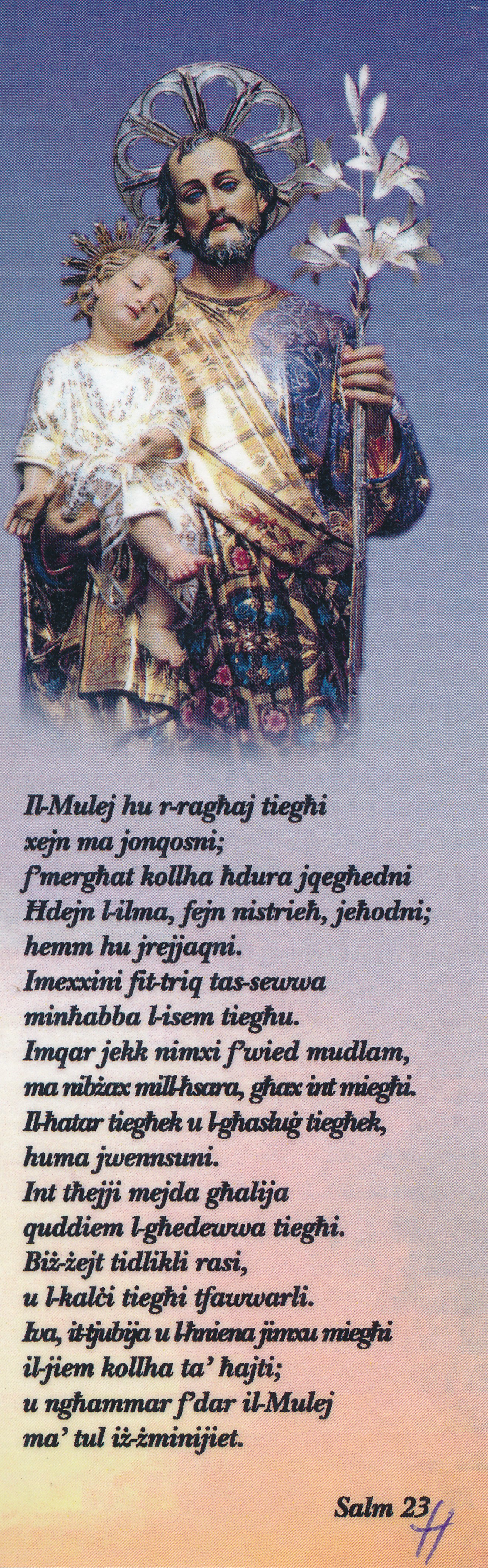
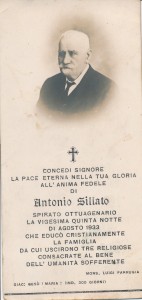 “As you can see, memorial cards can serve to tell a social and a cultural narrative. They also have a historical and an anthropological value. For example, when one compares memorial cards of different periods, one can notice the development of printing. One can also observe the use of different languages in various villages and towns, with some using the English language while others prefering Italian. As time passes, one can then follow the introduction of Maltese and the evolution of the language’s spelling as years go by.”
“Originally, memorial cards were meant to be placed in a Missal in order to pray for the souls during mass. However, modern memorial cards tend to be bigger in size, making this practice difficult.”
Max Farrugia is one of the founders of the NGO ‘Friends of the National Archives’. The main objective of this NGO is to raise public awareness of the work of the National Archives, and the importance of preserving documents of historical value. It also offers assistance and support to the National Archives by various means, including fundraising and the promotion of a volunteers’ scheme.
“This collection of memorial cards will now form part of the project MEMORJA,” explained James Baldacchino, the administrator of the MEMORJA Project at the National Archives of Malta.
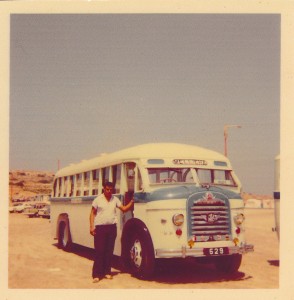 MEMORJA is an oral, sound and visual archive. Its main objective is to employ cutting edge research, methodologies, theoretical and archival approaches and techniques to collect, record, transcribe, preserve and make available and retrievable all the deposited material detailing the islands’ history.
“Initially, we started out with four themes, namely the Second World War, the British expatriates in Malta, public administration, and the Lampedusa-Malta connection. Then, we added two others – the Malta buses and transport and the bell-ringers. However, our country is blessed with so much history that you continue to expand as people approach you with different valuable memories. In this case, Max Farrugia has introduced the death theme with all its significant meanings.”
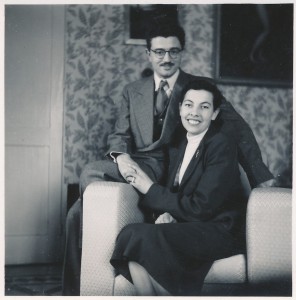 “Through this project, we found a huge amount of data which existed only in the minds of people and in their photos. Many individuals were enthusiastic to make their voice heard in order to help out with the shaping of the public’s narrative which up to now was not formally recorded for posterity. They were also very generous in donating or allowing us to copy hundreds of personal family photos from which we can identify various themes such as social life, fashion, local landscape, celebrations, food and much more.”
Gathering records for MEMORJA is all about reciprocal patience and trust. James spends several hours over a period of time, visiting people who are interested to be interviewed until they are ready to give out the formal experience on record. He showed me several photos which were handed to him. All this information will soon be available on a website which the National Archives is currently working on.
Max Farrugia can be contacted on maxfarrugia46@gmail.com
If you are interested to contribute to the MEMORJA Project, you are invited to contact James Baldacchino on james.baldacchino@gov.mt or call 21459863.
The National Archives is located at ‘Santo Spirito’, Hospital Street, Rabat, Malta.
(Note – This article was published in SENIOR TIMES – November 2019 issued with The Times of Malta on Friday 15th November 2019)
-
Ġrajjiet mhux mitmuma – 35 sena mit-Traġedja tal-Patrol Boat C23
Hekk kif jibda joqrob Settembru, moħħi mill-ewwel hemm imur. Sfortunatament, meta bniedem iħalli din id-dinja, speċjalment b’mod traġiku, mal-mewt tiegħu jittiefsu wkoll diversi ħajjiet oħra li b’xi mod jew ieħor kienu jafuh.
Wara n-nuqqas tar-raġel ta’ kuġinti, għamilt snin kbar ma nistax inħares lejn il-qiegħ tal-baħar. Kien iwaħħaxxni l-ħsieb li xi darba jew oħra, hekk kif inkun qed ngħarrex bejn it-twapet folti tal-alka, jinferaq spazju ikrah u nsib wiċċ iħares maħsud lejja.
Ormaj għaddew 35 sena minn din il-ġrajja li mmarkatli ħajti u għalkemm iż-żmien itaffi, mhux la kemm inessi għal kollox. Ċerti feriti ma jfiequ qatt, speċjalment meta ma jkunux jistgħu jagħlqu għal kollox.
Is-7 ta’ Settembru 1984 kellha tkun ġurnata bħal oħrajn. Ħadd ma kien jobsor li kellha tittebba’ b’waħda mill-agħar traġedji li qatt seħħew fil-gżejjer Maltin.
Sajjied li kien qiegħed jistad il-Marfa innota lis-suldati tad-Dejma flimkien mal-pulizija ħerġin fuq il-Patrol Boat C23. Sema’ wkoll l-isplużjoni u ra daħna kbira iżda ma allarmax ruħu. Ħaseb li s-suldati kienu splodew xi bombi ‘l barra fil-baħar. Hekk jew hekk bosta kienu jafu li xi mili ‘l barra minn dawk in-naħat, f’post apposta lil hinn fil-baħar, kien qed jintrema’ xi splussiv maħdum illegalment li kien jiġi maqbud mill-pulizija. Kienet biċċa xogħol normali, parti mid-dmirijiet tas-suldati.
Iżda sfortunatament, għal xi raġuni, l-murtali illegali li kienu qed jinġarru dakinhar biex jintremew, splodew fuq il-lanċa, u swew il-ħajja ta’ sebgħa min-nies. Ħamsa minnhom instabu f’wiċċ l-ilma qrib il-patrol boat C23. Żewġ membri oħra ta’ l-ekwipaġġ ma nstabux. Membru ieħor irnexxielu jsalva iżda kellu jittieħed l-isptar isofri minn xokk qawwi.
Ix-xena li sab il-bdot tal-ħelikopter li wasal fuq il-post tat-traġedja kienet tal-waħx. Iżda d-dehra tal-familjari mnikkta u mitlufa waqt il-funerali ma kienet xejn inqas kerha minnha.
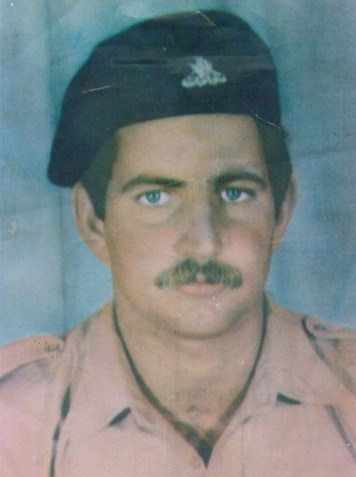
Tnejn mill-mejtin kienu membri tal-Pulizija: is-Surġent tal-Pulizija u espert ta’ l-isplussiv Salvu Muscat, 30 sena (B’Kara) u l-Kuntistabbli Joseph Hare, 24 sena (Sliema). Il-ħamsa l-oħra kienu suldati tad-Dejma: Bdr. Joseph Pace, 36 sena (Santa Venera), Gnr. William Simpson, 36 sena (Ħal-Lija), Pte. Anthony Vella, 20 sena (Għajnsielem, Gozo), Pte. Anthony Farrugia, 27 sena (Żejtun) u Bdr. Francis Borg, 36 sena (Ħamrun). L-aħħar tnejn imsemmija baqgħu ma nstabux. L-uniku wieħed li ħelisha minn ħalq il-mewt kien is-suldat tad-Dejma Pte. Emmanuel Montesin, 21 sena (Paola).
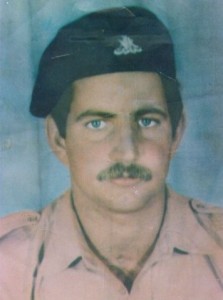 Id-destin ried li jien ngħix din it-traġedja mill-qrib. Wieħed mill-mitlufin, Anthony Farrugia, kien ir-raġel tal-kuġina tiegħi Mary. Kellhom żewġt itfal: Josef ta’ ħames snin u Roderick ta’ sentejn u nofs. Mary kienet tqila bit-tielet tarbija. Xi ftit xhur qabel kienet tilfet lil missierha iżda b’xi mod kien irnexxielha tkampa u tgħaddi min-niket. Flimkien magħha, aħna l-familjari tagħha, nblajna b’din l-aħbar il-ġdida.
Kelli 13 il-sena dakinhar tat-traġedja u jien kont qiegħda għandhom, nistenna lil Twanny (hekk konna nsejjħulu) jiġi lura ħalli jeħodna l-baħar. Għaddejt il-ħin tal-ġurnata bħas-soltu, ngħin lil Mary fil-faċendi tad-dar u nilgħab mat-tfal. Il-folja bdiet tinqaleb wara l-5:00pm meta waslu xi zijiet għandna jistaqsu jekk Twanny kienx id-dar. Meta raw li ma kienx hekk, kien hemm ħafna ħars stramb bejniethom u tagħfis tax-xufftejn iżda ħadd ma felaħ ilissen kelma oħra.
Laħqu saru s-7:00pm meta Mary saret taf bit-traġedja. Binha l-kbir kien qed jilgħab mar-radju u ħabta u sabta, bdew l-aħbarijiet. Kien dak il-ħin li rrealizzat għala zijietha kienu nġabru kollha hemm. Għall-ewwel baqgħet qisha miblugħa fin-nofs tal-bitħa, donnha msammra mal-art. Imbagħad, b’idejha jirtogħdu, ċemplet lil dawk li kienu nkarigati.
L-aħbar li tawha aktar ħawditha. Ma kienetx taf kelliex tittama jew titbikkem għax żewġha kien għadu ma nstabx u allura seta’ kien għadu ħaj. Is-siegħat baqgħu għaddejjin sakemm dalam u z-zijiet irritornaw lejn djarhom. Il-ġenituri tiegħi ħallewni ma’ Mary biex inżomm għajnejja fuqha.
B’xi mod irqadna lkoll imma kmieni fil-għodu qomt mill-ġdid u sibt lil Mary tolfoq u tqalleb l-album tat-tieġ. Kull siegħa għaddejnieha nisimgħu l-aħbarijiet b’tama kbira iżda kien kollu għalxejn. Minn ħin għall-ieħor bdejna nirċievu telefonati ta’ sogħba. Fosthom Mary saret taf li Twanny ma kienx imissu xogħol dakinhar imma kien ħadem minflok sieħbu sabiex dan ikun jista’ jgawdi l-festa.
Jgħidu li t-tama hi l-aħħar li tmut u sakemm ġisem żewġha baqa’ ma stabx, Mary baqgħet tistenna…. L-għajnuna għat-tfittxija waslet minn kullimkien: għaddasa tal-Forzi Armati, suldati tad-Dejma u anki numru ta’ nies oħra bil-luzzijiet u d-dgħajjes privati tagħhom għamlu minn kollox biex għallinqas jinstabu l-iġsma taż-żewġ suldati nieqsa. Imma kien kollu għalxejn.
Mill-ħsara estensiva li ġarrbet il-patrol boat C23 kien evidenti illi l-isplużjoni li seħħet kienet qawwija ħafna. Għaldaqstant wara siegħat twal ta’ tfittxija, ħarġet ordni mill-Kwartieri Ġenerali tal-Forzi Armati sabiex xi għaddasa jmorru jispezzjonaw aħjar il-patrol boat mġarrfa li kienet iddaħħlet f’Ħondoq ir-Rummien. Il-pruwa tal-patrol boat kienet miftuħa beraħ. Kien jeżisti s-suspett li s-suldati mitlufa setgħu nqabdu qalb it-tifrik u l-pjanċi mgħawwġa. Ix-xniegħat mill-ewwel xegħlu u wasal għala widnejna li kienu nstabu xi fdalijiet umani. Madanakollu l-għada fuq il-gazzetti ħarġet ċaħda uffiċċjali ta’ dawn l-ispekulazzjonijiet.
Il-ġranet gerrbu sakemm ġurnata waħda t-tfittxija għaż-żewġ suldati nieqsa waqfet u l-ħajja kompliet bħallikieku qatt ma kien xejn.Iżda kif ser taqbad tispjega lill-qraba tal-vittmi sabiex jirrassenjaw ruħhom għall-mewt bħal din ħabta u sabta? U wisq wisq agħar – meta l-ġisem tal-mejjet ma nstabx? Bħal mitlufa, l-qalb tibqa’ tispera li xi darba, forsi minn x’imkien, il-bniedem tant maħbub jitfaċċa. U d-dubji u l-isperanza jibdew jieklulek ruħek ftit ftit. Sakemm forsi ż-żmien ikollu ħniena minnek u jgħallmek iġġeragħ u tinsa… jew aħjar taċċetta.
Lil Mary talbuha tirrassenja ruħha għall-mewt ta’ żewġha, bħal kif kellha tagħmel ukoll għal dik tat-tarbija li kellha f’ġufha, li ma felħitx tikkumbatti ma’ aktar għawġ u ntemmet qabel biss qatt twieldet.
Iżda r-rassenjazzjoni hija iebsa meta l-paġni kollha tal-ħajja ma jingħalqux kif mistenni.
(Nota: Dan l-artiklu ġie ppubblikat fis-SENIOR TIMES t’Ottubru 2018)
-
AN UNEXPECTED VISIT
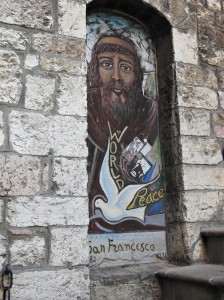 Francis Bernardone came upon the abandoned church of San Damiano in Assisi by accident. He was searching for a place to meditate to find a way forward for his life, when he entered the church and saw a crucifix. As he prayed earnestly in front of it, he heard a voice telling him, “Francis, go and repair my church which, as you see, is all in ruins!” This brief moment changed not only the man’s life but even his birthplace, the Catholic Church, and the lives of many others. An unexpected visit to Assisi proved that the timeless appeal of this instant still prevails.
Dropping by at Assisi for a few hours while exploring the surrounding towns, I found myself getting absorbed in the spiritual atmosphere of this medieval location which has earned its place in the UNESCO list of World Heritage Sites for its influence on religious expression and Europe’s art history. Although it was anticipated that I would visit some churches, I was blown away by the monumental beauty of the basilicas, the medieval character of the town, the intriguing archaeological structures and the boundless feeling of serenity.
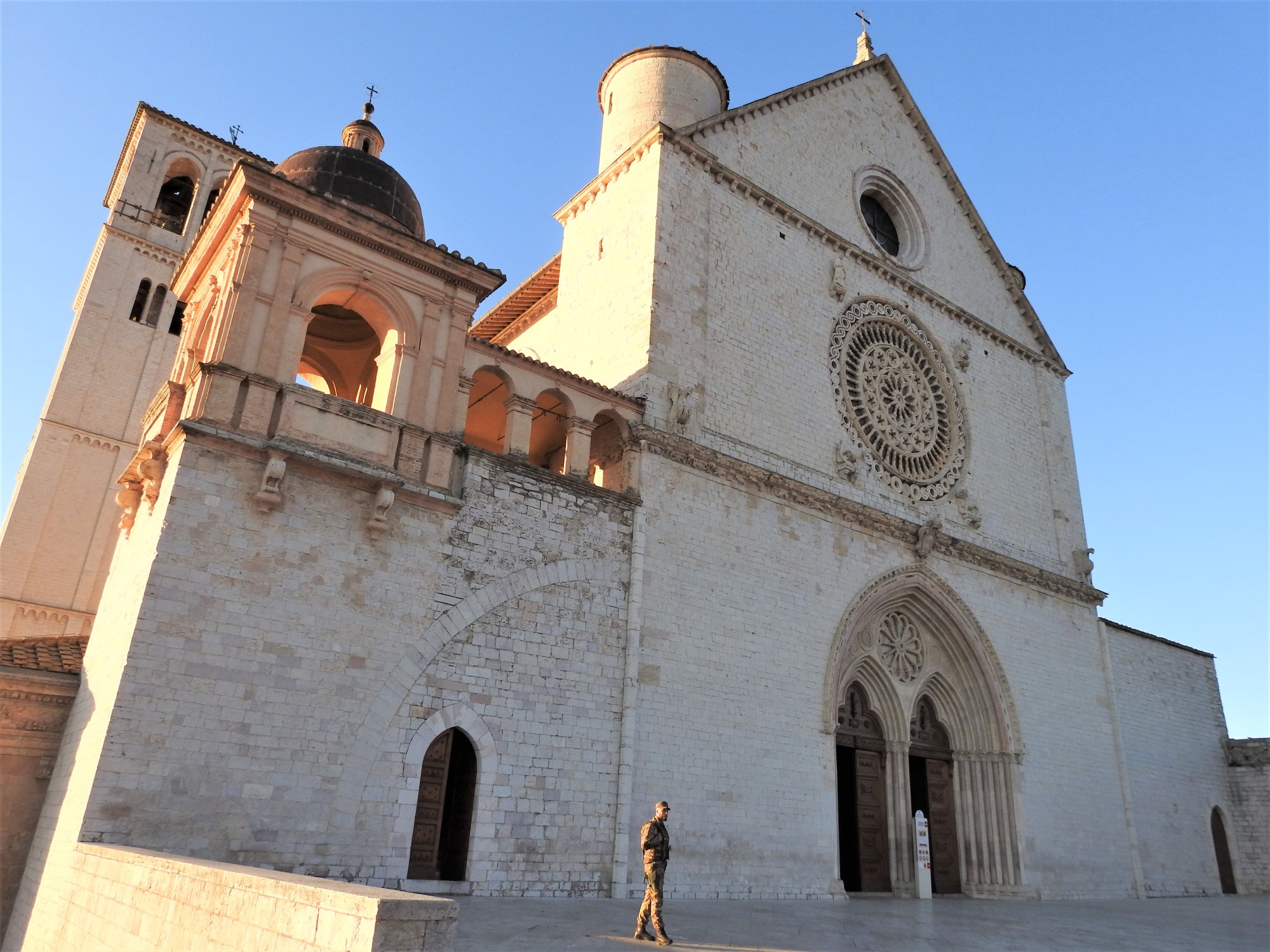
The Papal Basilica of St Francis of Assisi dominates the town. It constitutes two churches which are known as the lower and the upper churches. Whereas the lower church is austere and sombre, symbolising the humanity and humility of the saint, the upper church is high vaulted, airy, and widely illuminated to resemble his sanctity and glory. The arcades that line the open square as you approach the basilica were originally used to shelter and feed medieval pilgrims. Nowadays, these offer refuge from the natural elements to the numerous visitors who come to Assisi.
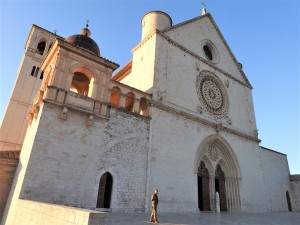 According to legend, the area on which this basilica was built was originally considered disgraceful since it was a place for public execution. Francis chose it as his burial place because he considered himself as the worst sinner. Today, this blessed location which holds within it the venerated remains of the saint is renowned as the ‘Hill of Paradise’.
The interior of the basilica is an awesome masterpiece which bursts into your senses. Never have I seen such colourful splendour which reaches from top to bottom with frescoes done by leading artists of the 13th century, such as Cimabue, Giotto, Simone Martini, and Pietro Lorenzetti. In contrast, the cruciform crypt of St Francis located deep beneath the two-levelled basilica, is raw and simple. A large open pillar contains the roughly hewn stone sarcophagus which holds the blessed remains of the saint. In the four niches positioned at each angle facing the tomb lie the four disciples of St Francis: fra Leone, fra Masseo, fra Rufino and fra Angelo.
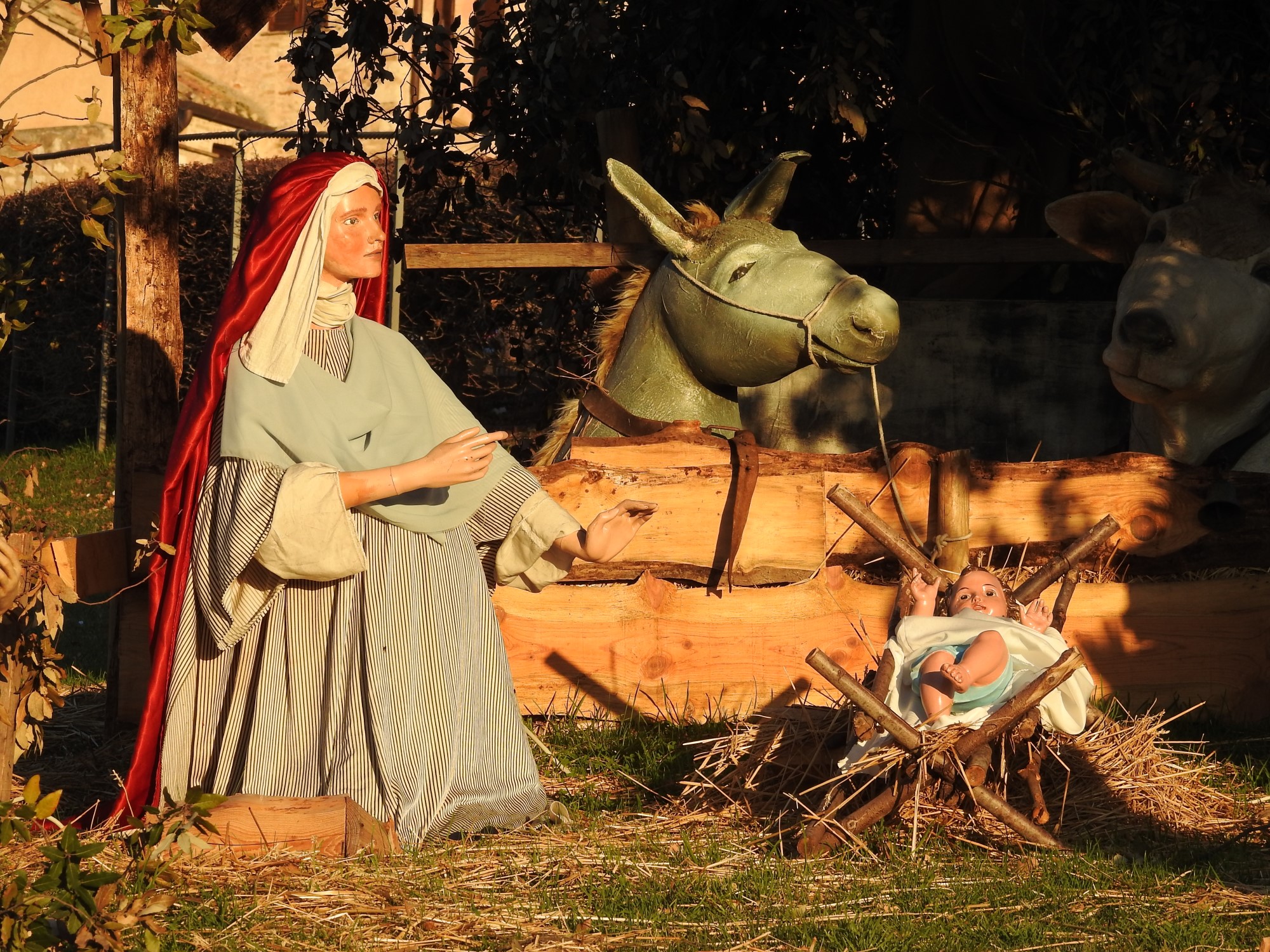
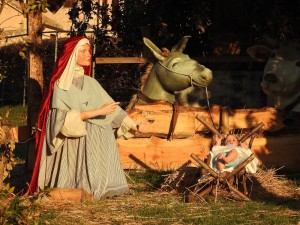 Even though Christmas celebrations were long over, the Christmas spirit was still very present in Assisi. An exhibition of traditional cribs animated the silent corridors of the friary which is built adjacent to the basilica. Likewise, a large crib with numerous life-size figures gave life to the wide-open area in front of the upper church.
The main street named after St Francis leads from the basilica to the centre of the town. Like any pilgrimage site, Assisi has become highly commercialized, flooded with souvenir shops which sell all types and all sizes of mementos that depict the saint. Various hotels offer hospitality to the pilgrims and visitors who opt to relish this medieval town’s atmosphere for longer. The elegantly restored 13th century Santa Caterina Monastery, now known as Nun Assisi Relais & Spa Museum, has been turned into a minimalist-styled hotel, and is an unparalleled destination.
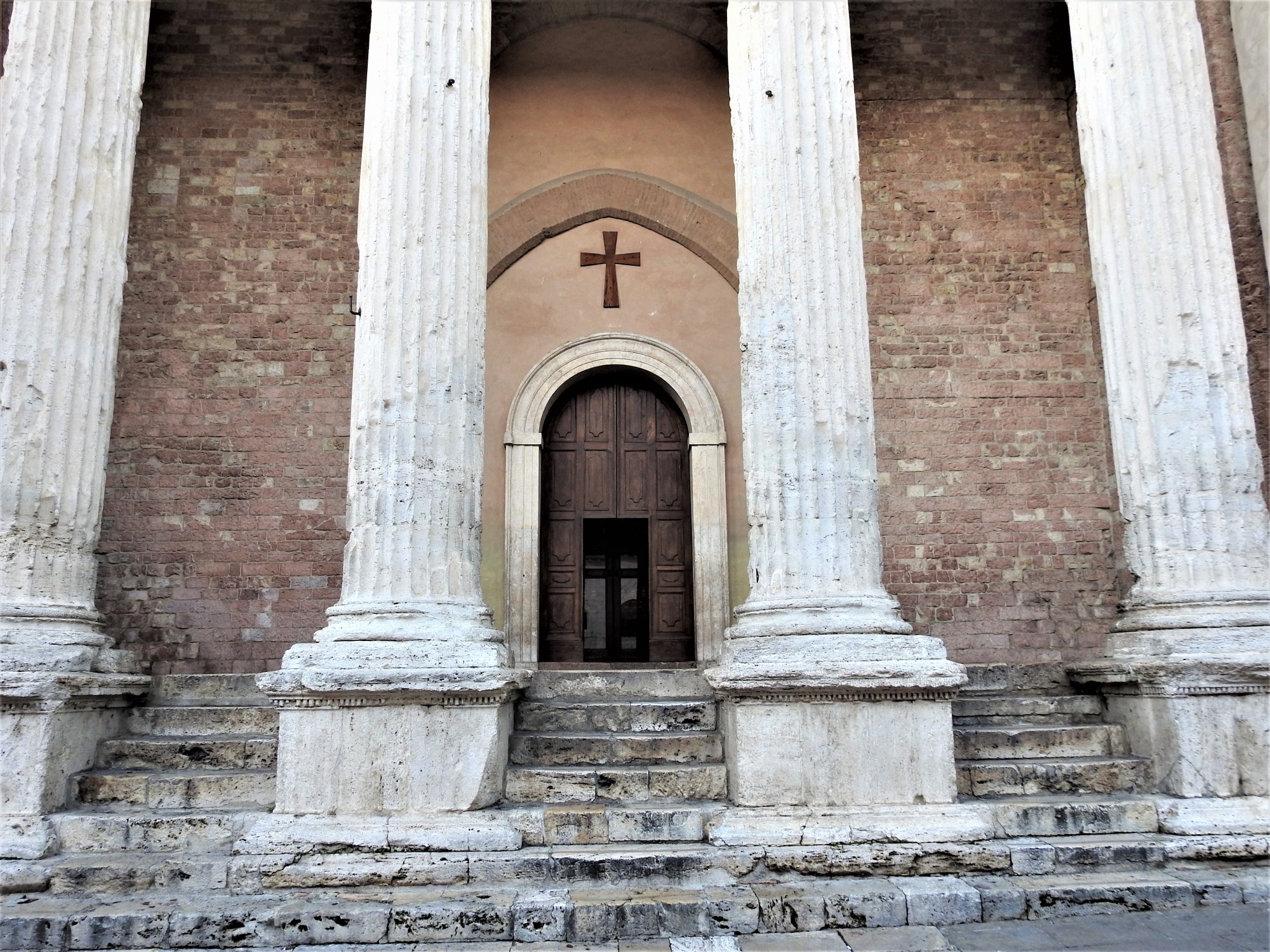
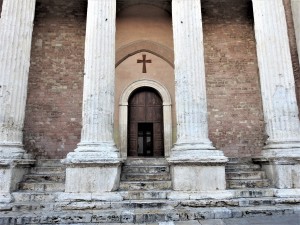 The main square, Piazza del Comune, was always an important point in the town. This is evident by the presence of a Roman temple which is the focal point of the square. Built in the 1st century BC, the imposing temple was originally attributed to the goddess Minerva due to the finding of a female statue. However, recent archaeological discoveries in the area pertaining to other gods have created doubts about which god was honoured by this stately structure. The façade of the temple, with its six huge Corinthian columns supporting the architrave and a small pediment, has now been preserved. The pagan building which is also a UNESCO World Heritage Site serves as a bizarre entrance to the church which it now houses, Santa Maria sopra Minerva.
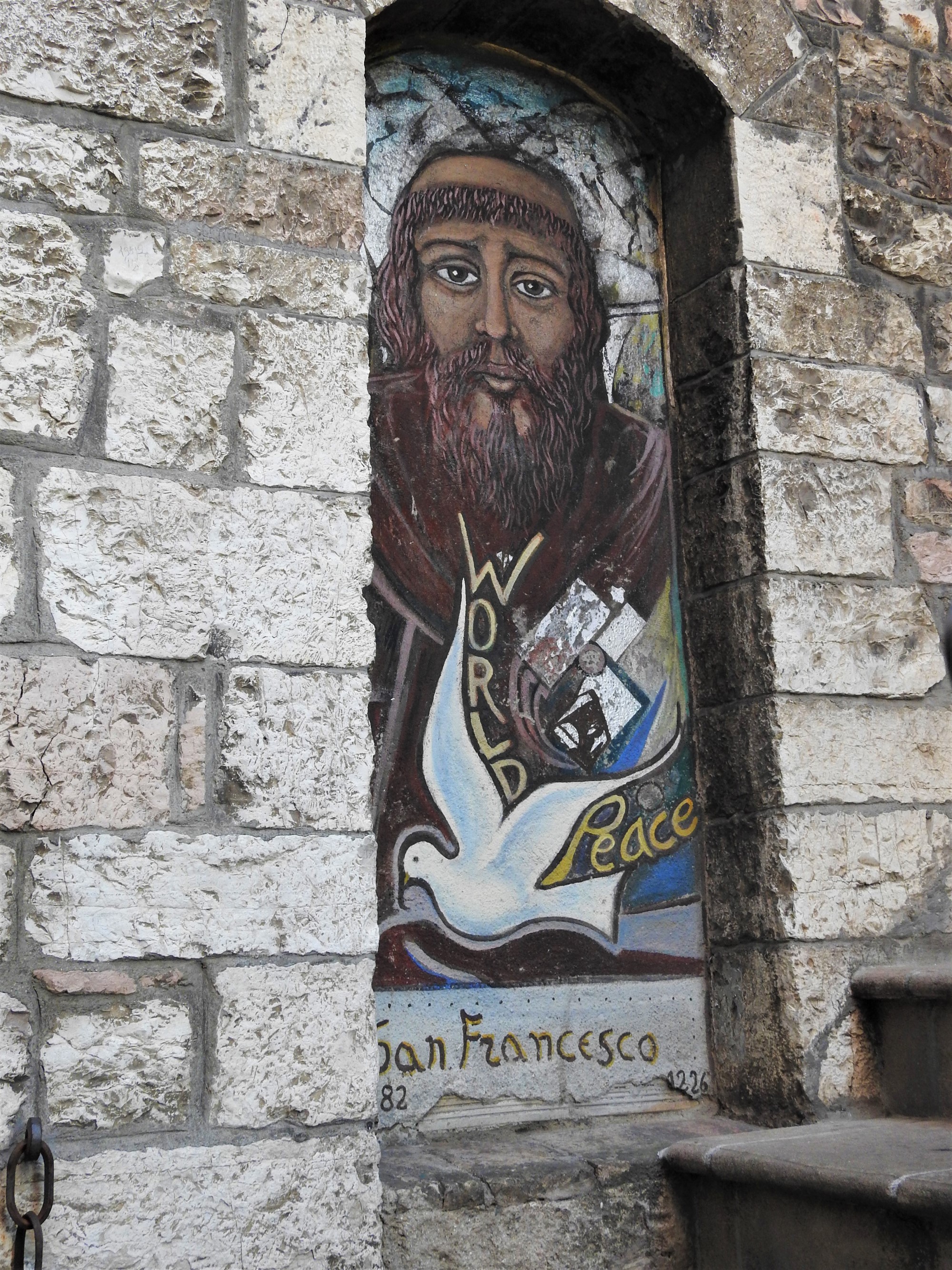
References to St Francis are present wherever you go in Assisi. Niches, wall paintings, and statues of his parents Pietro di Bernardone and Madonna Pica, continually remind you that this is the birthplace of the saint. Nevertheless, the curious visitor can still encounter offbeat locations such as art galleries, tartufo shops, and traditional cuisine.
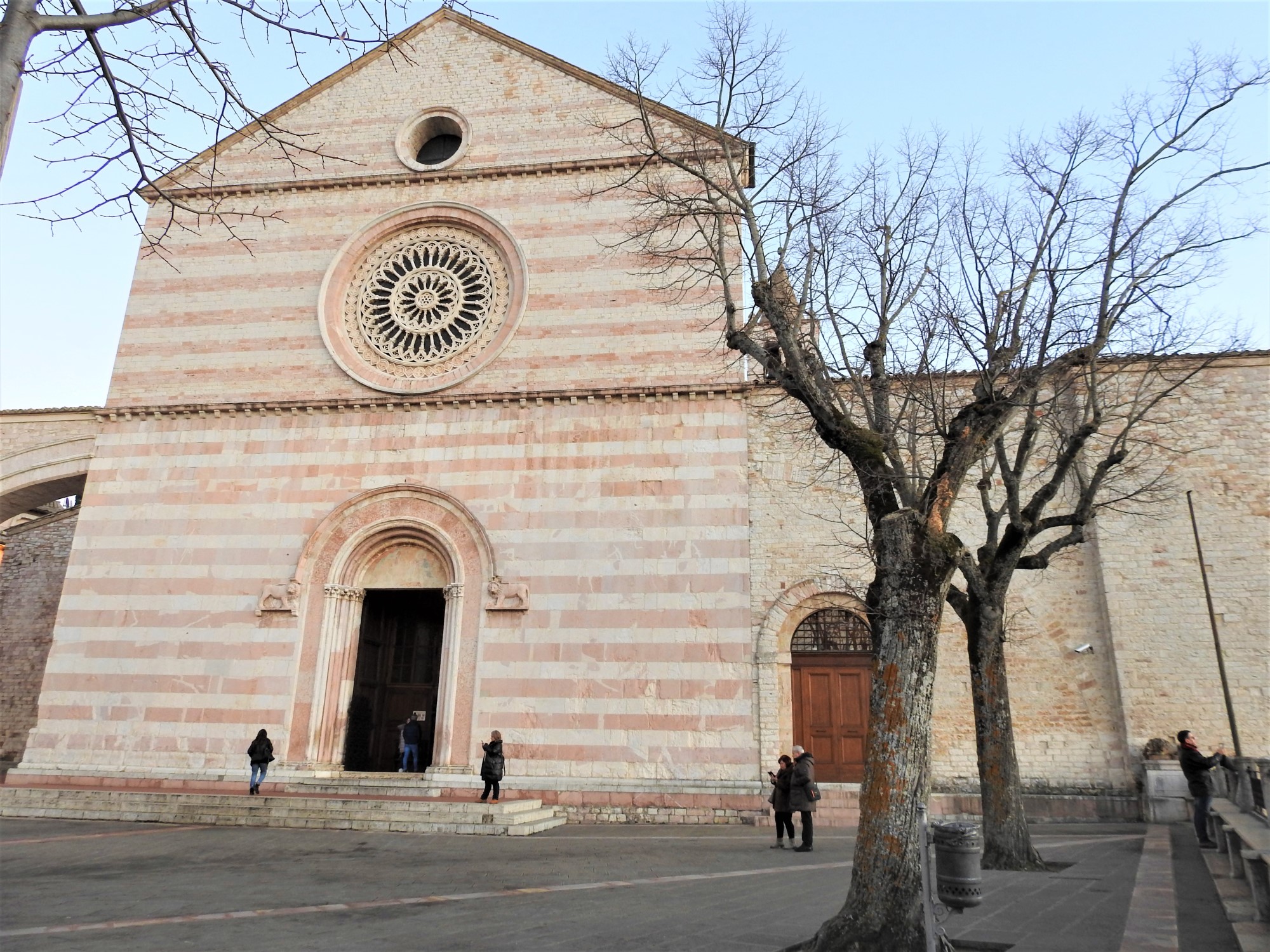
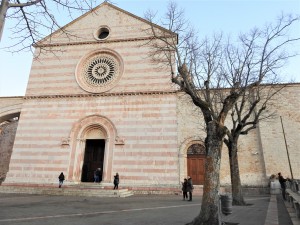 My visit ended at the Basilica of St Clare. Interestingly, the structure of its façade strongly imitates the upper church of the Basilica of St Francis, just how St Clare followed St Francis. Although far from the exuberant quality which one finds in the Basilica of St Francis, this church is still beautifully adorned. The ceiling of the chamber which houses the tomb of St Clare is pleasantly decorated with a blue sky filled with shining stars.
The humbler nature of this basilica does not diminish its respect or importance. The Crucifix Chapel located inside protects within it the Byzantine cross which was originally at the ruined church of San Damiano. On the other hand, the Chapel of the Blessed Sacrament occupies the area of the ancient Church of St George, in which both St Francis and St Clare were buried until their basilicas were constructed.
A splendid sunset welcomed me as I stepped out in the square of the Basilica of St Clare from where I could enjoy a fantastic view of the surrounding area. Rocca Maggiore castle hovered over the town and bid me to visit, while at a distance, the Renaissance Basilica of St Mary of the Angels which houses the Porziuncola, the most sacred place for the Franciscans, reminded me that there was so much more to discover.
(This feature was published in the SENIOR TIMES issued with The Times of Malta dated 15th February 2019)
-
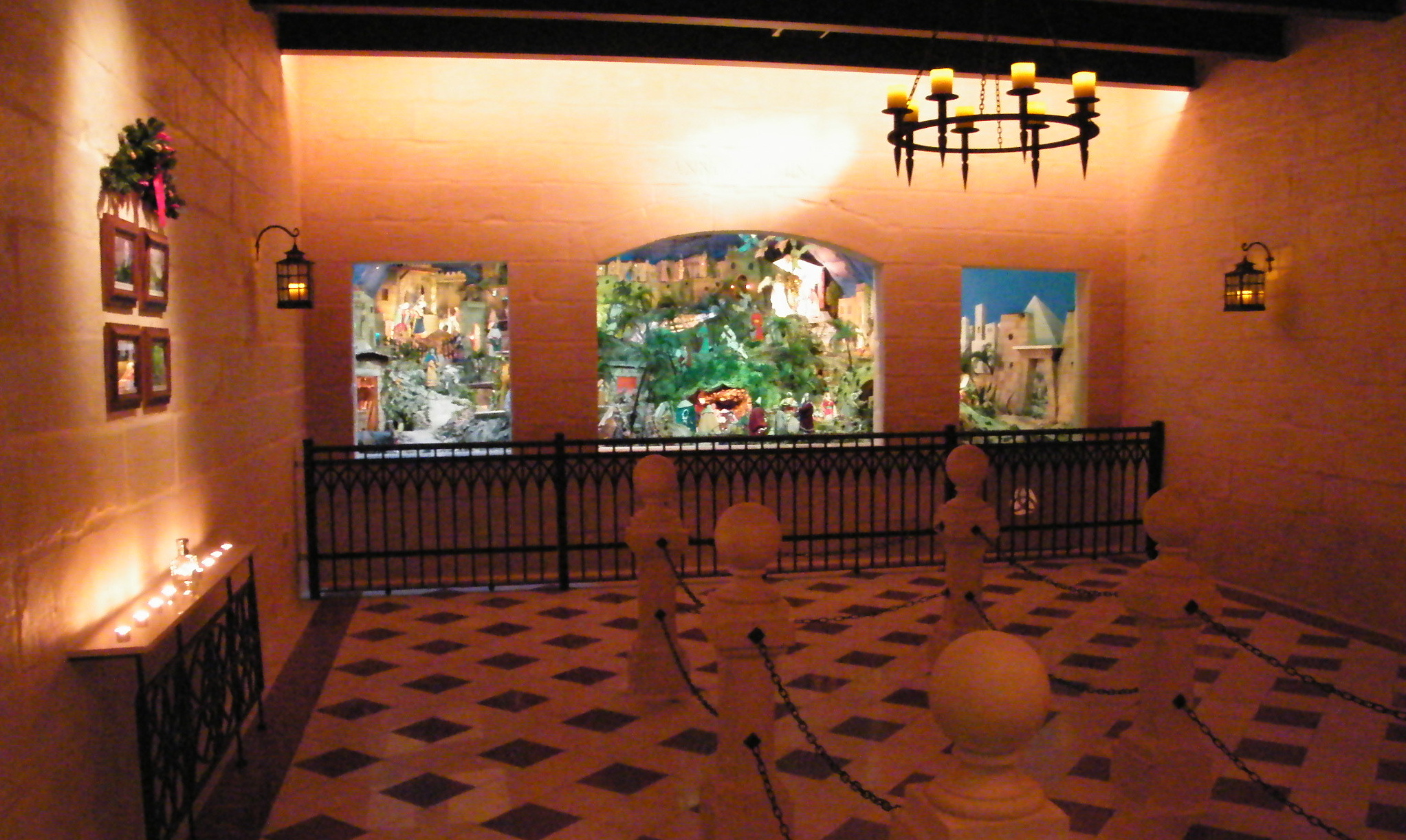
THE SISTERS OF THE CRIB
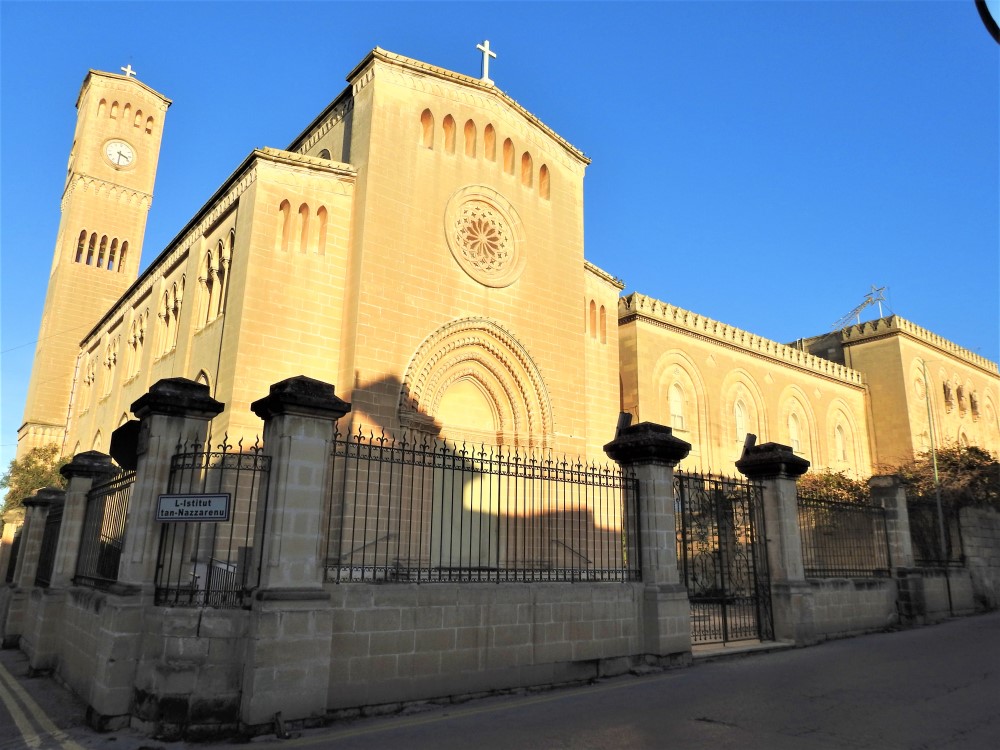
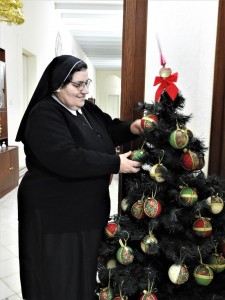 “This place was much livelier when children were around, especially in Christmas,” reminisced 60-year-old Madre Phyllis Agius of Jesus of Nazareth Institute in Żejtun. Around forty years ago, when she became a nun, the institute catered for orphans, teenage girls with family problems, and Muslim refugees. Nowadays, the nuns have dwindled to only nine and the institute serves mainly as a night shelter for the elderly.
“It was the need to take care of children which made me decide to become a nun. When I was a little girl, I noticed the institute’s orphans attending my same school in Żejtun and I hoped that one day, I would be able to give them all my love and support.”
She was initially approached by a nun while she was participating in a raffle which was being held at the institute as part of the Christmas activities.
“I visited the mechanical crib at this institute each year and like many others, I tried my luck at the raffle. On one of these days, I won the raffle but I had no idea which gift to choose. It was at that point that a nun gave me a pamphlet which read – Why not you? From then on, I began to consider becoming a nun.”
The large mechanical crib which was opened for the public in 1947, was one of the main attractions which brought people to the institute.
“People were simply amazed by this crib and its moving figurines. When it opened for the first time, crowds came from all over the island to see it. There were such long queues that people got restless waiting and the police had to be called in to calm the situation. By time, we became known as the sisters of the crib.”
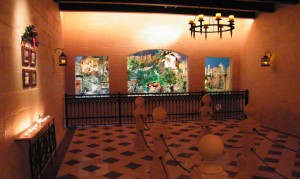 “No entrance fee was charged to visit this crib but people gave us donations to support the needs of our institute. Both this crib and also the orphans drew the attention of several benefactors who helped us to live a simple but comfortable life.”
Like Madre Phyllis, when I was young, I remember some of these young children who attended the primary school in Żejtun. They were always very smart and tidy.
“Older nuns recall a time when there were around two hundred children at this institute. There were not as many children when I became a nun, and the last group who lived here around twelve years ago, consisted of just six children. Although the children lived a disciplined life, they were all very dear to us, and some of them are still in contact with us.”
“Our children were always very busy during the Christmas season. Nuns trained them to participate in plays and also in the institute’s choir. A group of nuns who could play instruments organized a small orchestra which accompanied the choir. On Christmas eve, the Institute’s director would attend and he was always very pleased to see everyone having fun.”
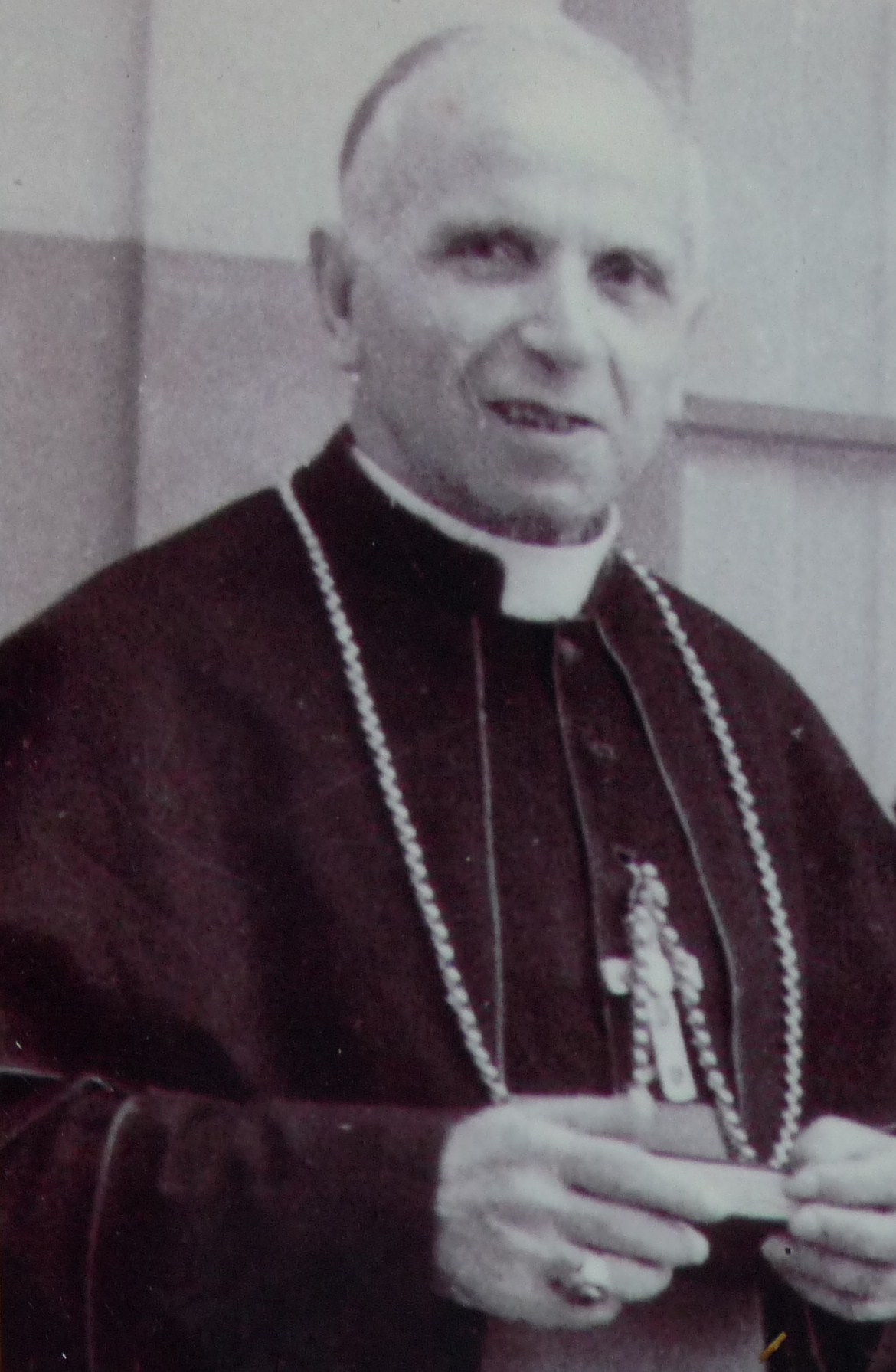
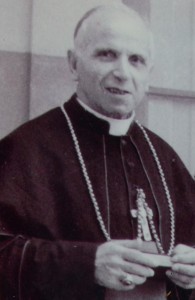 The first director of this institute and orphanage was none other than Bishop Emmanuel Galea, the very person who came up with the idea to construct the large mechanical crib.
“During the Christmas season, the children attended to many parties and they received several presents. Some of the children were also invited to spend the Christmas with families. It was such a happy time.”
“One of the nuns, Sister Ursola, was an excellent pastry maker. The aroma of baking Christmas cakes and qagħaq tal-għasel was heavenly during those days. Much of these sweets were given to our benefactors as a sign of gratitude.”
As no more children were left and fewer nuns joined the institute, life changed considerably. Now, most of the benfactors are gone and the elderly nuns have to rely on the help of friends and volunteers. Yet Christmas is still a cherished time.
“Three weeks before Christmas, we start with the Advent season which prepares us for the celebration of the Nativity of Jesus. This consists of teachings and readings during the daily mass that takes place at the institute’s church at 7.00am. Nine days before Christmas, we celebrate the novena which consists of readings and singing at the end of the mass.”
The expectation for Christmas triggers also a number of traditions within the institute.
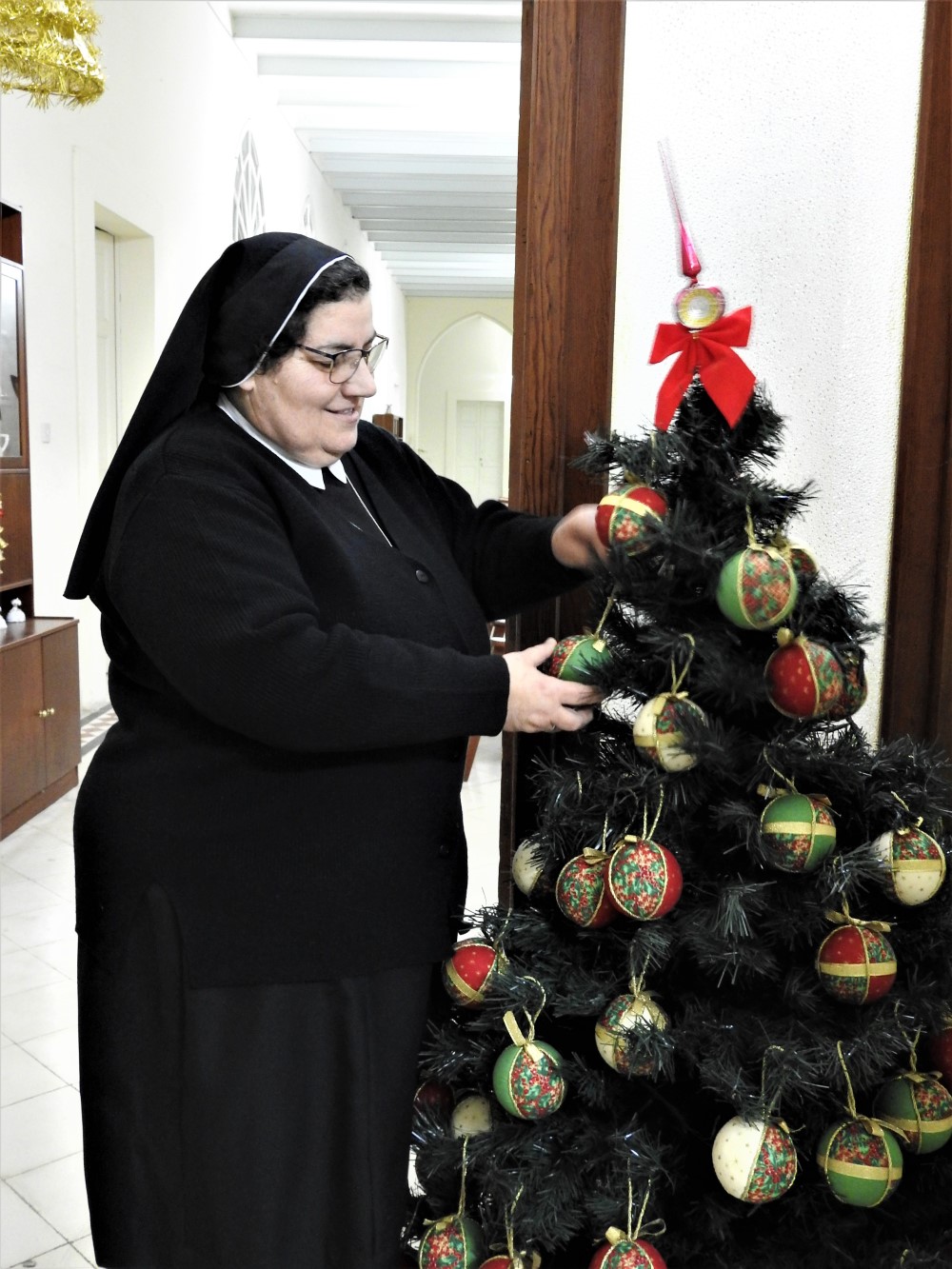
“Volunteers come to help us to decorate the institute’s halls and rooms with cribs, baby Jesus statues, Christmas fathers and Christmas trees. One of the volunteers also takes care of growing vetch for us which is eventually used to decorate the institute’s church together with ponsiettas.”
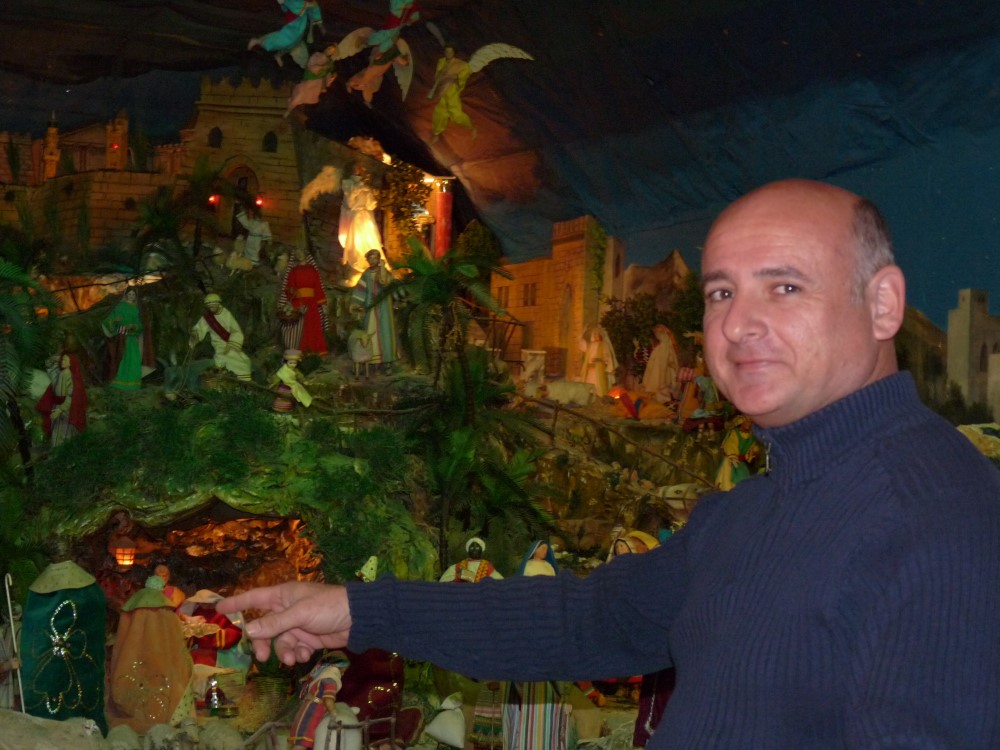
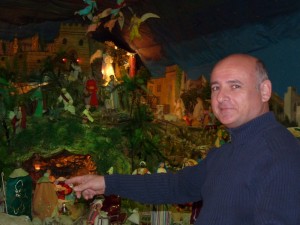 “Joseph Pavia, the nephew of Pawlu Pavia who constructed the mechanical crib, calls to check whether everything is fine with the crib and the figurines. In the meantime, we prepare the items for our Christmas bazaar from which we sell books, toys and crafts prepared by the nuns.”
The day before Christmas eve, Madre Phyllis prepares her renowned chocolate drink which has become a favourite with parishioners.
“My recipe consists of chunks of exquisite chocolate, drinking chocolate, baking chocolate, vanilla drops, sugar, and peel of oranges, lemons and mandarines. I melt and blend eveything together in two large cooking pots and leave the mixture to cook slowly.”
“This chocolate drink and a piece of Christmas cake are then offered to all those who attend to the Christmas eve mass which is celebrated at the institute’s church at 8.00pm. Children are also given a present by Father Christmas.”
The nuns spend Christmas day together at the institute.
“We wake up at 5.45am to say our prayers. Then we have breakfast and at 7.00am we attend to mass. Afterwards, we fill the nuns’ Christmas stockings with small presents which mainly consist of chocolates since they love them. Some of us receive family visits while others welcome the public at our crib. At noon we have lunch and we pray again.”
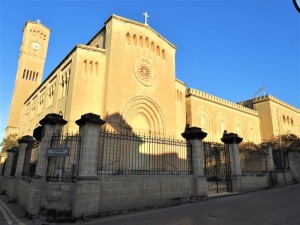 “After enjoying some rest, some of us stand again by the crib to receive the public. More people tend to come at this time, bringing along their families with them. Many people seek this annual opportunity to talk to us. It is pleasant to see that people still trust us and believe that we are a faster way to God,” she said as she smiled.
Indeed, this is the time when people approach them to share their personal problems, seek advice, and ask for prayers. A good number of those attending give them donations to help with the needs of the institute.
“Christmas day ends with more prayers and dinner. Then we gather together to watch tv while enjoying some sweets and a sip of vermouth. After all Christmas is about being with family and this is our family now.”
The Institute of Jesus of Nazareth is located at St Gregory Street in Żejtun.
This year, the mechanical crib will be open between 16th December 2018 and 6th January 2019. Opening hours: 9.30am – noon and 4.00pm – 7.00pm all week.
(This feature was published in the Christmas Times issued with The Times of Malta on 8th December 2018)
-
AND THEY ALL CAME TO SEA
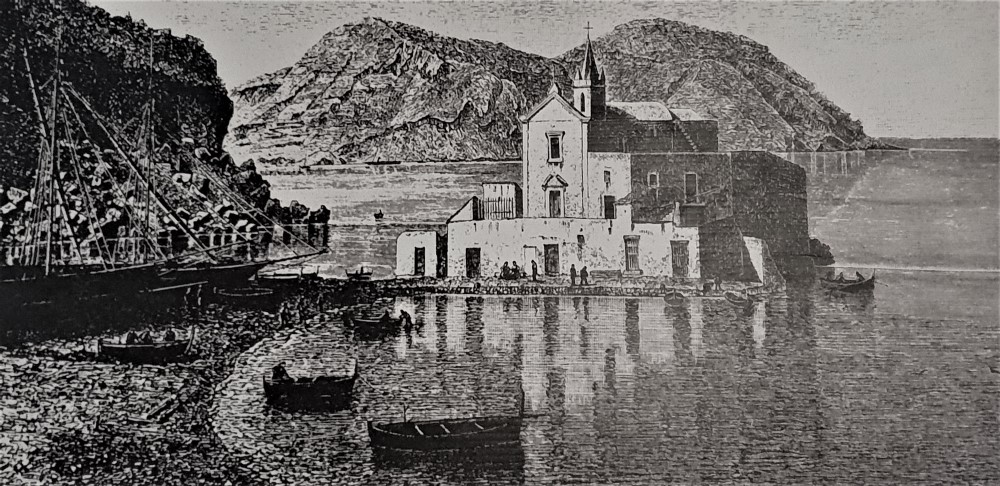
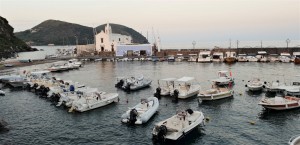 At the centre of the attractive small harbour of Marina Corta in Lipari, there is an unassuming quaint church dedicated to Our Lady of the Snow and to the Souls of Purgatory. One could easily fail to visit this place since fun and life beckons from the several restaurants, cafeterias and shops situated right across in the spacious square. Yet a most unique and pleasant surprise awaits those who decide to step inside.
The church was built in 1545, just five years after the island of Lipari was sacked by the Turkish corsair Barbarossa who took away almost the entire population into slavery. Defiantly constructed on the jutting rocks, the church intended to serve as a point of reference for those who repopulated the island.
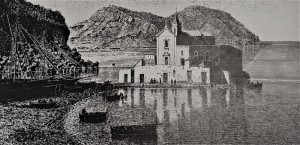 However, along the years, as other chapels and churches were built around Lipari, this church was abandoned and left to its own destiny. Critically close to the sea, the building suffered severe damage, and in recent years, it was on the brink of collapse.
On a cold winter day in 2011, with the rough seas hitting mercilessly at this church, a group of locals decided to save this place. They were all saddened by the neglected state of this historical building and they were adamant to do something about it. After they came out with a plan, they discussed their ideas with their parish priest, Fr Giuseppe Mirabito, who agreed at once to collaborate with them.
The Association SS. Cosma and Damiano Marinacorta was established to coordinate this project. The stability of the building was the first thing which had to be addressed quickly. As the members of the association talked about this project with other locals and friends, support came in the form of the required materials and voluntary help. In time, the external part of the church was restored. However, the internal area of the church remained in dire need of restoration.
 As the building started to regain its dignity, the association’s members needed to come up with new ideas to attract visitors to the church. Their main aim was to create more awareness about the historical and cultural value of this building so that more people would help out with this venture, particularly with the funds which were required to restore the church completely.
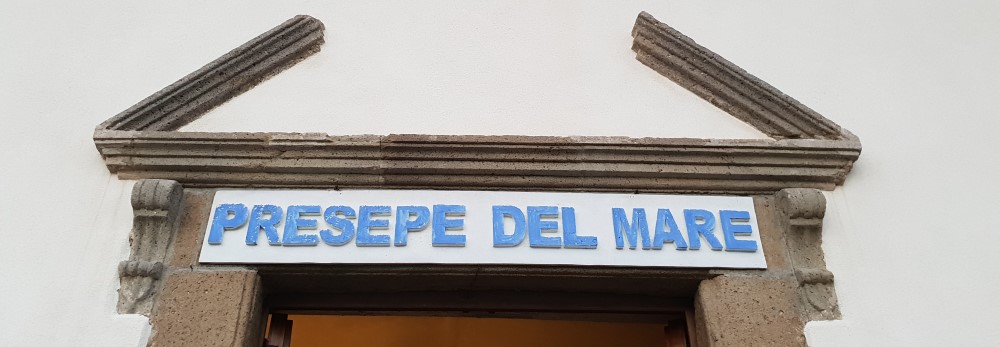
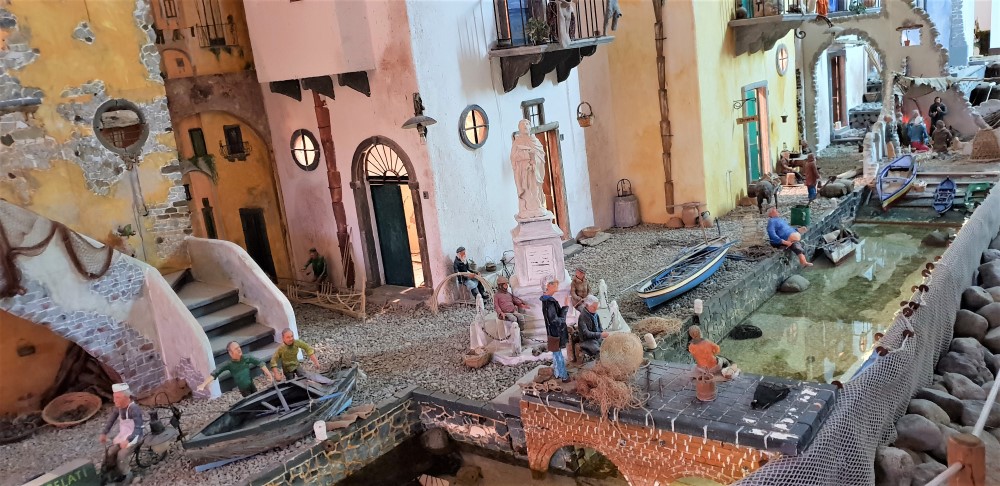
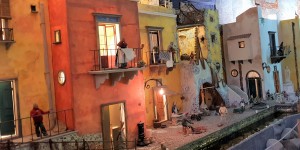 Since it was close to Christmas, they decided to build a crib inside the church. But this was no ordinary crib with religious iconography. Instead, it was laid out to represent the fishing village of Lipari as it was in the old days and it was named Presepe del Mare.
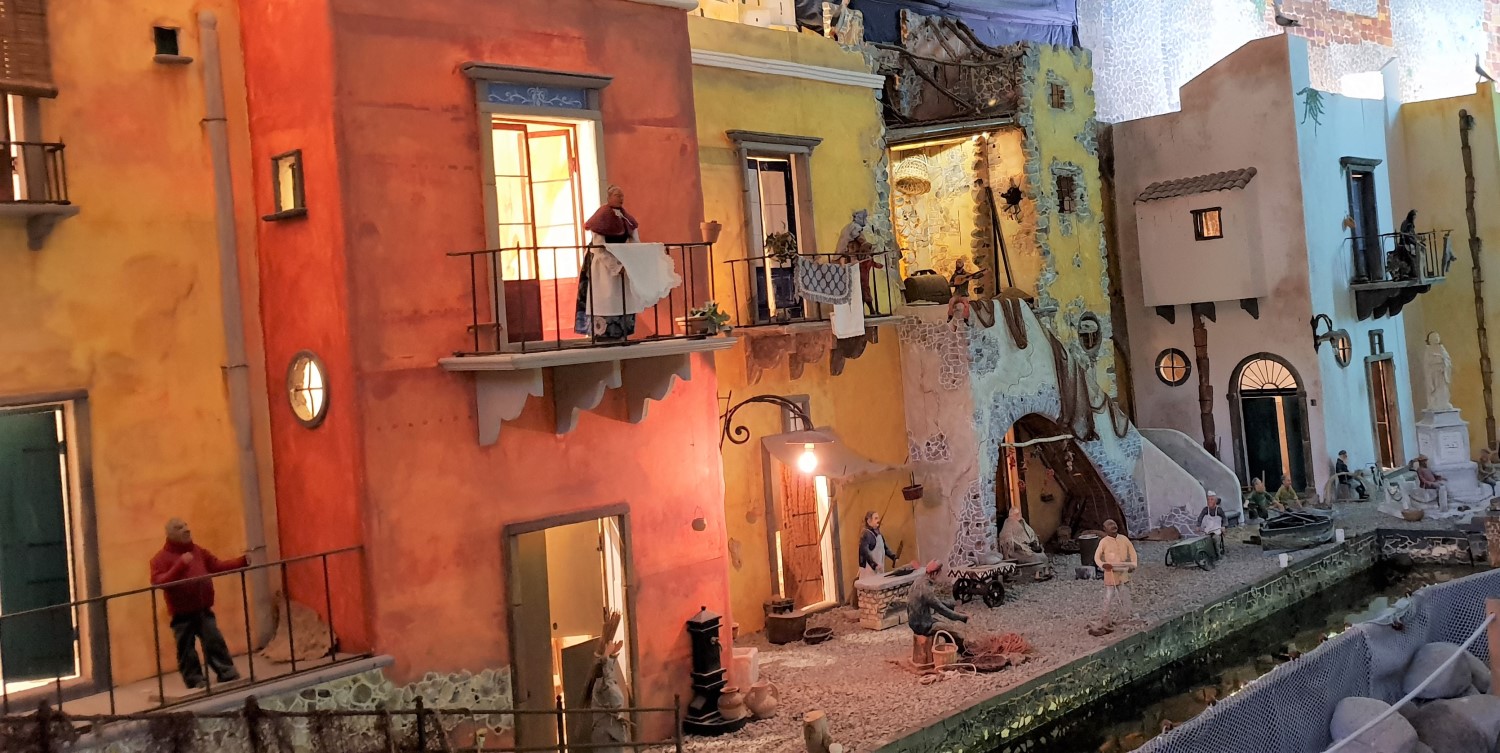
Peppuccio Costanzo, one of the association’s members and a fisherman, assisted in the design of this crib which was made of papier-mache. The miniature village was a replica of the real buildings, architecture and life that existed in Lipari around fifty years ago. A number of known village characters were also included in this most unusual crib.
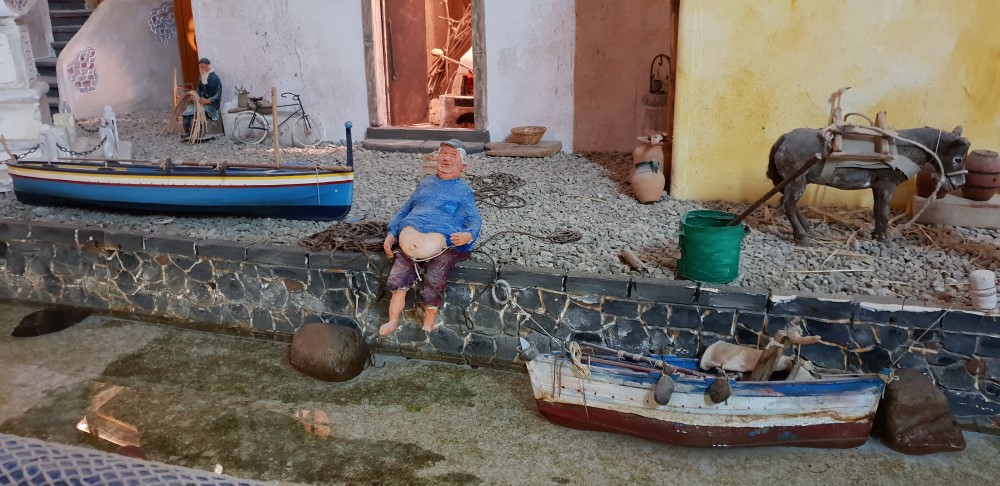
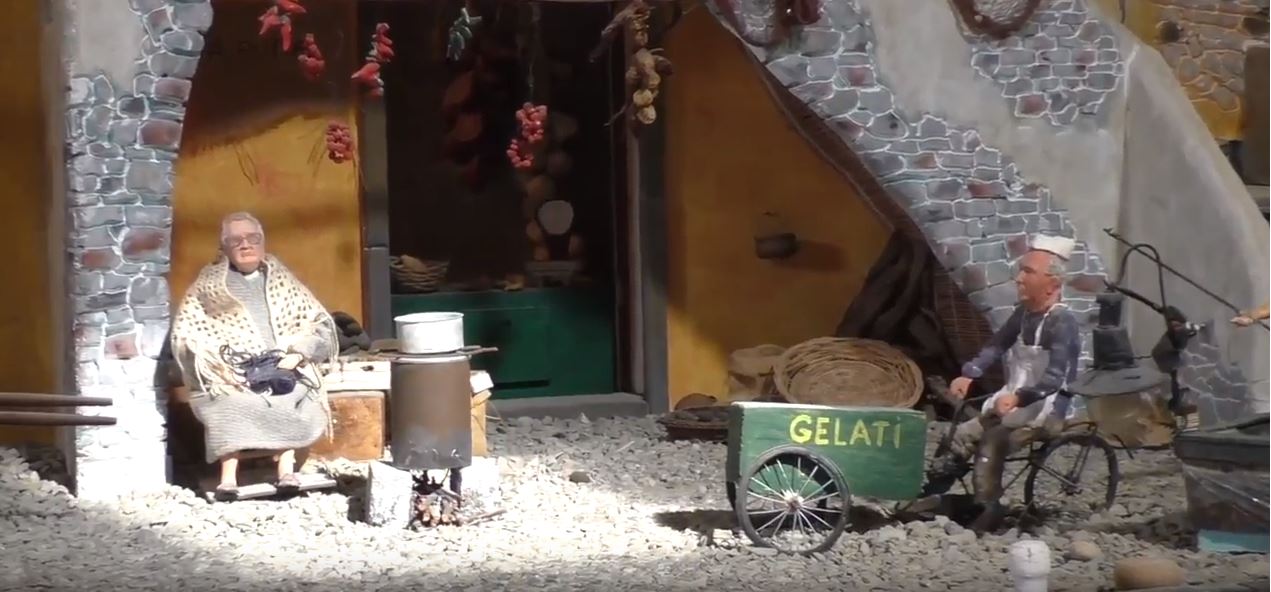
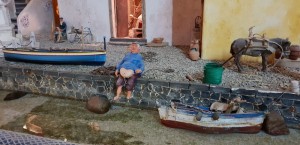 The crib’s landscape was built along a watercourse with real fish living inside. The crib is mostly populated by fishermen, some of whom are at work while others are idling around. The attention which was given to the details in this crib acts as a time capsule to help visitors visualize better how Lipari looked before it was regenerated to suit the needs of the increasing tourist demands. It also pictures several traditions of the time. Locals may even recognize some of the people represented in the figurines; a number of whom have by now passed away.
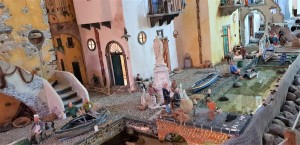 Existing landmarks such as the church of St Joseph and the statue of St Bartholomew serve as identifying marks in the changing village. Gone are most of the old houses which can be seen in the crib. Today, these have been replaced by higher modern buildings. Traditional life as shown in the crib has almost dissolved into nothingness. Tradesmen’s shops have been taken over by modern outlets selling souvenirs or boat rides. The fish seller who called out in the streets, nowadays displays his fish in a van. Women do not carry water jugs anymore; tap water is now readily available. Clothes are no longer washed in public places; washing machines take care of this matter. The young man who played the guitar beneath the balcony of the girl he loved will today send her an sms instead.
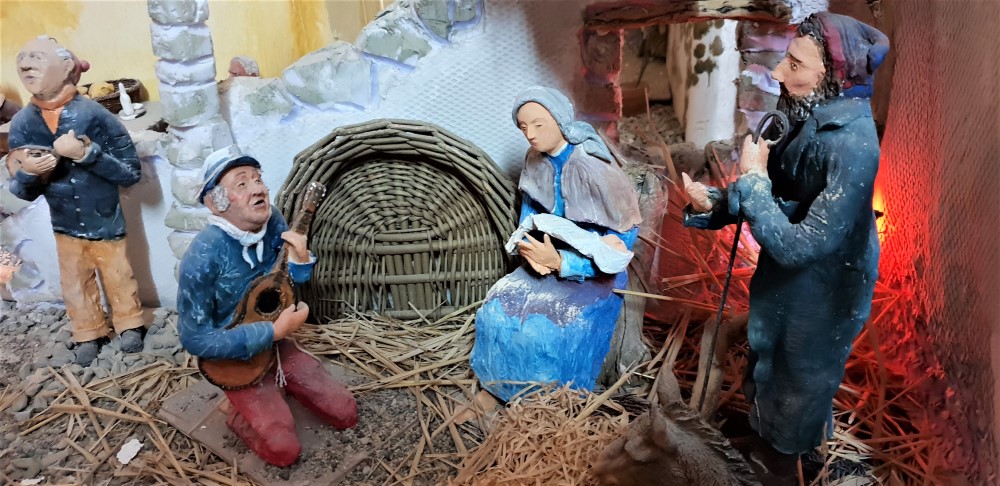
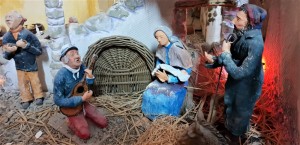 The crib’s culmination and originality is certainly in the warm and simple nativity scene where fishermen are greeting baby Jesus, not sheperds. Colourful fishing boats and straw fishermen’s baskets are present in the area, not hills and sheep. An angel sings besides a balcony of a house not on top of a cave.
As people came to visit this crib, it became evident that this was more than a seasonal project. Soon it was decided that this crib should remain in this church as a cultural symbol of Lipari. The crib would be visitable all around the year and whoever paid the entrance fee of €1 would be assisting in the restoration of the church.
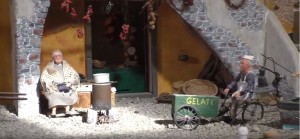 By now, Presepe del Mare has come to form part of the cultural identity of Lipari. Besides presenting the craftsmanship of those who made it, the crib is also a relevant reminder of the importance of keeping traditions alive and of conserving the remaining architecture of the area.
Info about Lipari: The island of Lipari is the largest of the Aeolian volcanic archipelago. Nowadays, its population is around 12,700, although it generally reaches 20,000 during the tourist season, from May to September. Due to its charming character, historical value and holiday atmosphere, Lipari is a top destination. Fast ferry connections from Sicily all stop at this island, as well as plenty of boats and hydrofoils, making it the ideal place to reach the other islands in the archipelago – Vulcano, Salina, Stromboli, Filicudi, Alicudi, Panarea and Basiluzzo.
(This feature was published in The Christmas Supplement issued with The Sunday Times of Malta on 2nd December 2018)
-
Gone but not forgotten
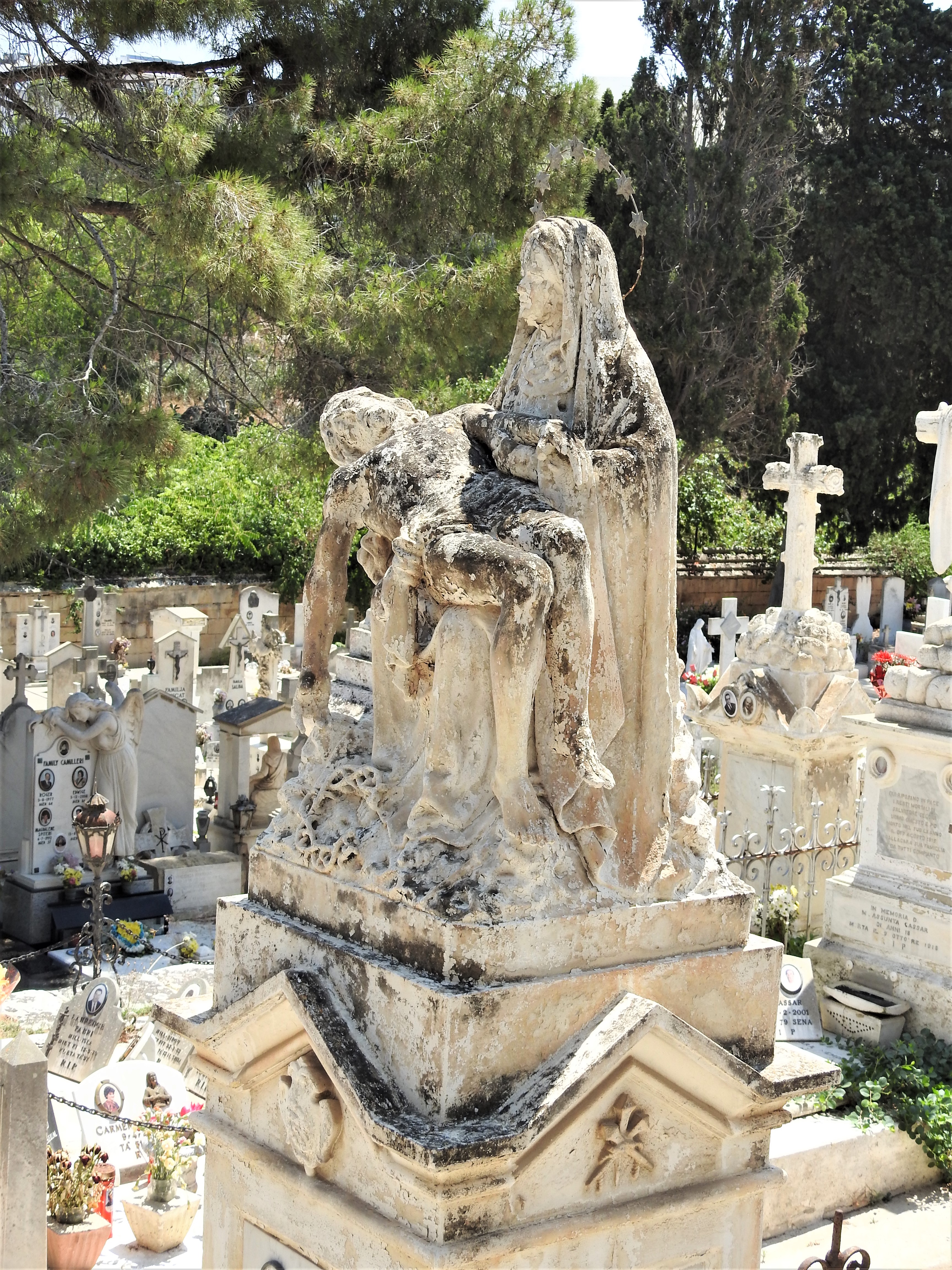
“St. George Preca used to say that the cemetery is the biggest book and I had the opportunity to confirm that,” revealed a Capuchin friar who served as a custodian of the Addolorata cemetery for some years. Living among the dead, day and night, helped him to learn much about humanity and its weaknesses.
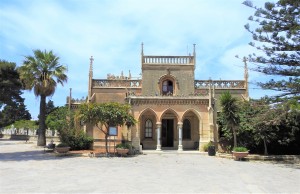 “The Capuchin friars were selected by the British authorities to administer this cemetery because they were loved by the locals. They had always been the ones who stood by the people during the worst moments and in situations which others avoided,” explained researcher Eman Bonnici.
“The British authorities hoped to attract people to bury their dead at the Addolorata cemetery. One of the best architects, Emanuele Luigi Galizia, was chosen to design this magnificent cemetery which took seven years to construct at the expense of £33,000. However, a well thought strategy was also required since this necessitated a considerable culture change within Maltese society.”
“Around 150 years ago, no one was buried in a cemetery except for those who died of contagious diseases or prisoners who were hanged. People buried their loved ones within the churches, chapels and crypts of their towns and villages to keep them close and within sacred grounds. Yet authorities considered this custom as a time bomb for some epidemic catastrophe. From time to time, outbursts of plague and cholera appeared on the islands, and it took days before the malady was identified. Case in points were the first plague victims of 1675 and 1813. Both were buried at Ta’ Ġieżu in Valletta, right at the capital city which was densely populated.”
“Initially, the Addolorata cemetery was intended to serve as a burial site for Catholics who were from Cottonera, Floriana and Valletta. As an incentive to start a new chapter in burial custom, those who had a private grave in any of these areas, were offered the possibility to choose a space in this cemetery and their grave would be dug for free. They were also given the privilege to use the cemetery’s church for burial rites and prayers before their loved ones were laid to rest. A further benefit consisted of a daily mass which was celebrated in this church and dedicated to all those who were buried within the cemetery.”
“Although a new law passed in 1863 prohibited further burials within churches, and the Addolorata cemetery was blessed and consecrated in 1869 to be ready for use, it was not that easy to convince the local population who had very strong beliefs related to death and burial customs. No one wanted to bury their dead in the new cemetery. Until one day, a poor woman from Naxxar who lived in Mosta, 64 year old Anna Magro, died at the general hospital, and since she had no relatives, she was the first one to be buried at this cemetery. Some time later, a number of people from Cospicua decided to accept the offer to have their own graves at the Addolorata, and from then, things moved on.”
The custodian’s role of the Addolorata cemetery was quite challenging. He had the responsibility of all the administration of the cemetery which included the registration of burials, the issuing of burial permits, the applications for new graves, the research for the public about the deceased and their graves, the maintenance of the cemetery and its church, the management of the workers, the distribuition of salaries which was still given out in money, the celebration of daily mass, and the hearing of confessions and spiritual advice.
“Originally the friars who acted as custodians were expected to spend the night at the cemetery. I spent around five years living at the cemetery together with a brother who was responsible to cook for me and to take care of the cemetery’s church. Although the brother resided at the cemetery for the whole year, friars alternated every week,” explained the friar.
“I was shocked when I was requested to become a cemetery custodian. I had studied philosophy and theology, and I had no idea whatsoever about the administration of a cemetery. However, my Provincial promised me that he would provide me with all the necessary assistance and so I accepted the role.”
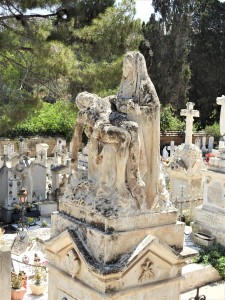 “Ironically, this work was a blessing in disguise! I had never imagined that the very place connected to death would fill my life with such significant experiences. A cemetery gets you in contact with all the levels of society, from the poorest to the richest, from the average person to the most successful. You learn a lot about humanity’s weaknesses and strengths, about love and hate, about repentance and revenge, about the excruciating suffering of illnesses and death. Ultimately, when the time came, it was actually difficult to leave this role.”
“Some of my experiences at the cemetery are simply unforgettable. Some of them fill me with distate, others chill me to the bone, while a number of them remind me of the unexplainable power of prayer, love, hope and belief. At times, the pain and suffering which I had to deal with became unbearable and I had to seek out the comfort of the convent. More than the freezing cold of the night which reigned within those historical rooms, it was the distressful questions which people confronted me with, day after day, which affected me most.”
“Why is your God doing this to me?” asked a woman while carrying her sixth dead foetus for burial. “Her husband had brought the previous five and I had prayed with him and listened to his suffering. It was the first time that I was facing his wife and the news of yet another miscarriage was intensely sad and shocking. In moments like those, I asked God to guide me and he never failed to assist me. This is not the work of God but of nature, I told her. God would never do this to you! Give a name to each child and pray for each and to each one of them and you will find peace.”
“Around five years passed from this incident. Then, one day, the brother informed me that a couple needed to speak to me. I went out to meet them and they reminded me of their story. ‘I did just like you advised’, the woman told me. ‘And now we have him,’ she said as she reached out to a pram with a beautiful little baby boy inside.”
Stories poured out from the friar. He was still so emotional about them, as if they had just happenned the day before.
“On a very cold and rainy day in February, a smart and well-dressed man came to knock at my door. He gave me a grave number and I informed him that it was located in the common graves’ area. The man asked me to accompany him with a car to see this grave and I drove him there.”
“As soon as I pointed out the grave, the man jumped out of the car, fell to his knees on the ground and began to cry out for his mother’s forgiveness. ‘Forgive me mum! It was not my fault!’ he repeated over and over again while the heavy rain rammed on his back. I felt so distraught for him but eventually I managed to pull him back in the car and help him to calm down.”
“He told me the story of how forty years before, his mother and his wife had a quarrel, and his wife threatened to leave him if he ever got in contact with his mother again. She even forbid him from going to his mother’s funeral, calling him twice at his office on that day to confirm that he had abided to her rules. ‘We have four children and I did not want to mess up my family,’ he informed me, leaving me dumbfounded.”
It was very compelling to witness such hate and thirst for revenge, even after death.
“One day I was asked to give advice to a very affluent man who came to buy a plot to construct a chapel in the cemetery. He was insisting that only he and his wife, their children and their offsprings could be buried in this chapel, leaving out all his sons’ wives, explicitly named in a contract. I told him that this was very uncharitable on his part but he was resolute. I warned him that on knowing about this, his sons would curse him and his wife but he brushed this comment off, ensuring me that he was leaving them all well off.”
“The old couple died and they were buried in the chapel. All went well until one of his sons was widowed. He came to us to make arrangements for his wife’s burial in the family chapel. As soon as he identified himself, I braced myself for trouble since it was clear that he knew nothing about his parents’ decision. He could not believe his ears when we informed him that he could not bury his wife in the chapel. He got so angry and swore so badly, cursing his parents over and over again, that we had to threaten him with the police. Matters worsened further when he realized that this condition affected also all his brothers. He called them all and they came to the cemetery in a frenzy, infuriated at this unexpected news.”
“No matter how much they insisted with us to eliminate this condition, there was nothing we could do. The woman had to be buried in a new grave. All the other brothers bought a new grave too. Their parents’ richly adorned and expensive chapel now lies abandoned and in ruins.”
Nowadays the cemetery is no longer administered by the Capuchin friars.
(This article was published in the SENIOR TIMES – NOVEMBER issued with The Times of Malta on 15th November 2018)








Travelogue
Archives
| M | T | W | T | F | S | S |
|---|---|---|---|---|---|---|
| « Jan | ||||||
| 1 | 2 | 3 | 4 | 5 | 6 | 7 |
| 8 | 9 | 10 | 11 | 12 | 13 | 14 |
| 15 | 16 | 17 | 18 | 19 | 20 | 21 |
| 22 | 23 | 24 | 25 | 26 | 27 | 28 |
| 29 | 30 | 31 | ||||
Recent Posts
- A MATTER OF FATE
- MALTA’S PREHISTORIC TREASURES
- THE MAGIC IS IN THE DETAIL
- THE SELLING GAME
- NEVER FORGOTTEN
- Ġrajjiet mhux mitmuma – 35 sena mit-Traġedja tal-Patrol Boat C23
- AN UNEXPECTED VISIT
- THE SISTERS OF THE CRIB
Comments
- Pauline Harkins on Novella – Li kieku stajt!
- admin on IL-KARNIVAL TRAĠIKU TAL-1823
- Albert on IL-KARNIVAL TRAĠIKU TAL-1823
- Martin Ratcliffe on Love in the time of war
- admin on 24 SENA ILU: IT-TRAĠEDJA TAL-PATROL BOAT C23